
The Wadi Degla National Park and Protected Area
The Wadi Degla area in Cairo governorate was designated a protectorate in 1999 by the Egyptian Environmental Affairs Agency and covers a land area of 60 square km. This desert land quickly reached Cairo and lies just 10 km away. The protectorate is also one of the most essential valleys extending east to west and rising in the eastern desert's mountains. The Wadi runs through limestone terrain, which then cuts into a deep winding canyon, and in a few places, you can see the floodwater, which has carved the rocks into spectacular shapes. Here, you can find many fossils in the rock formations and scattered patches of petrified wood.
The ephemeral plants dominate the Wadi after the rainy season. A few animal species that have been found here include Dorcas Gazelle, Gazella Dorcas, Nubian Ibex, Capra Nubiana, Lesser Mouse-tailed Bats, and Rhinopoma Hardwickii, which live in the caves in the wadi sides.
A definite place to visit

The protectorate is a trendy destination for tourists looking for Cairenes and people who wish to get away from the hustle and bustle of daily life. Also, for birdwatchers, the place has much to offer. Still, those searching for solace and relaxation can also enjoy here thoroughly.
Flora and fauna

The valley has a group of animals living here, which include mammals like deer, tails, mountain rabbits, red foxes, feather-tailed rats, oviparous, barbed rats, little-tailed bats, and others. Among the insects, there are many others. Eighteen species of reptiles have been recorded as well. Wadi Degla is home to various species of birds, reptiles, bats, and even larger animals such as foxes and gazelles. There are also many fossils from times when the valley was covered with water.
A great trailing spot
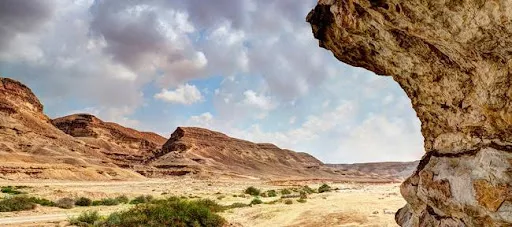
The Wadi provides an excellent trail network for all skill levels. The main 10.5 km trail is fun and easy and begins at the Wadi gate. The terrain is light sand and gravel, with rough sections and thick sand present occasionally, but there is little difficulty for beginners. The Wadi’s south and north plateaus seem ideal for intermediate to advanced-level trailers, providing a vast network of trails that will satisfy advanced riders.
Wadi Degla is your place
Wadi Degla overall is an almost pristine escape. The air at the protectorate feels clean, and temperatures are noticeably more relaxed than in Downtown Cairo. The area is quiet, and the city appears impossibly far in the distance. Wadi Degla has something for everyone, whether you are an avid runner or want to take in the expansive desert views. If you seek an adventure, Wadi Degla is your place. Wadi Degla is open every day until 6 PM. Entrance costs 5LE for foreigners and 3LE for Egyptians. Getting to the home is very easy due to its ideal location and excellent connectivity.


