

City Overview: The City of Peace
At the southern tip of the Sinai Peninsula, Sharm El Sheikh—often called simply "Sharm"—is one of Egypt’s leading Red Sea resort destinations. The city is known for its beaches, coral reefs, international hotels, conference facilities, and long association with peace summits, which helped establish its "City of Peace" identity.
Rugged Sinai mountains rise behind reef-rich coastal bays, creating a destination where visitors can snorkel in the morning, cross the desert in the afternoon, and enjoy a waterfront dinner at night. From lively Naama Bay to the quieter resort landscapes of Nabq, Sharm offers experiences for families, couples, divers, solo travelers, wellness seekers, and groups combining the Red Sea with Cairo or the Nile Valley.
The city is divided into several main areas, each with its own distinct personality. Naama Bay is the central heartbeat, famous for its pedestrian walkways and nightlife. To the south lies Hadaba, offering quieter resorts and some of the best cliff-side views in the region. Further south is Sharm El Maya, home to the Old Market and the traditional port. To the north, the development of Nabq Bay offers modern, spacious resorts near the protected mangroves of the Nabq Nature Reserve. This sprawl ensures that despite its popularity, travelers can always find a pocket of the city that perfectly matches their pace.
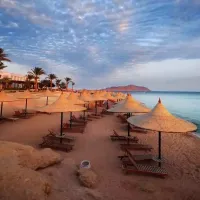
Sharm El Sheikh at a Glance
Best For
Snorkeling, scuba diving, beach resorts, family holidays, honeymoons, wellness breaks, desert safaris, and winter sun.
Ideal Stay
Choose 4 to 5 nights for the main highlights or 7 nights and longer for diving, desert experiences, resort time, and slower-paced excursions.
Main Airport
Sharm El Sheikh International Airport (SSH) serves domestic, international, and seasonal charter flights. Routes change throughout the year.
Top Experiences
Ras Mohammed, Straits of Tiran, Naama Bay, the Old Market, desert stargazing, and the Saint Catherine area.
Where to Stay in Sharm El Sheikh
Sharm stretches across several bays, and resort locations are not interchangeable. Choose based on reef access, beach style, wind exposure, nightlife, and how often you plan to leave the hotel.
Naama Bay
Best for first-time visitors who want a walkable promenade, restaurants, cafés, shops, nightlife, and easy access to diving centers and excursions.
Hadaba & Ras Um Sid
Best for cliff-top views, established resorts, reef access from jetties, quieter evenings, and proximity to the Old Market.
Sharks Bay
Best for upscale resorts, attractive house reefs, airport convenience, and evenings around SOHO Square.
Nabq Bay
Best for spacious all-inclusive resorts, families, aquaparks, and longer stays. It can be windier than southern bays, especially in cooler months.
Sharm El Maya
Best for a sheltered sandy bay, proximity to the Old Market, and travelers who prefer traditional city atmosphere over large entertainment complexes.
Montazah
Best for quieter resort stays near the airport, with access to coral reefs and views toward the Straits of Tiran.
Why Visit Sharm El Sheikh?
The Underwater Cathedral
Divers and snorkelers travel to Sharm for the marine landscapes of Ras Mohammed National Park, the Straits of Tiran, and accessible house reefs. Clear water, coral gardens, reef walls, schooling fish, turtles, rays, and seasonal pelagic encounters create options for beginners and experienced divers. Conditions vary by site, wind, current, and season, so trips should match each guest’s ability.
A Gateway to History & Spirit
Beyond the beach, Sharm is a base for exploring the sacred landscapes of southern Sinai. UNESCO describes Saint Catherine’s Monastery, founded in the sixth century, as the oldest Christian monastery still used for its original function. The wider Saint Catherine Area is revered within Christianity, Islam, and Judaism and contains important Byzantine architecture, manuscripts, icons, and mountain scenery.
Sharm’s strongest advantage is choice. Visitors can build a relaxing resort holiday, a dedicated diving week, or a mixed itinerary combining the beach with desert, spiritual, and cultural experiences. Direct flight availability varies by market and season, while domestic connections make Sharm a practical extension to a wider Egypt itinerary.
History & Cultural Significance
Sharm El Sheikh's history is a fascinating tale of strategic geography and rapid transformation. Throughout the centuries, the area was primarily the domain of Bedouin tribes, specifically the Mezina and Tarabin, who lived in harmony with the harsh desert environment and the bountiful sea. The region’s strategic importance stems from its control over the Straits of Tiran, the narrow passage leading into the Gulf of Aqaba, which is the only maritime access for Jordan and southern Israel.
During the 20th century, this strategic position placed the area at the center of major geopolitical shifts. It was occupied by Israel in 1956 and again from 1967 to 1982. During the latter period, the area was developed as a settlement named Ofira. However, the 1979 Peace Treaty between Egypt and Israel led to the phased return of the Sinai to Egyptian sovereignty, completed in April 1982. Since then, the Egyptian government has prioritized the development of Sharm as a global tourism icon.
Key Historical Milestones
- 1982 Transfer: Egypt regains full control, marking the start of its tourism master plan.
- The "City of Peace" Branding: Through the 90s and 2000s, Sharm hosted the Sharm El Sheikh Memorandum and the 1996 "Peacemakers" summit.
- Environmental Leadership: In 2022, the city hosted COP27, solidifying its role as a leader in discussing global climate challenges and the protection of marine environments.
Culture in Sharm extends beyond the resorts. A visit to the Old Market offers Egyptian restaurants, bakeries, spice shops, crafts, and a view of everyday life. Bedouin communities remain central to South Sinai’s identity, and responsibly managed desert experiences can introduce visitors to local food, music, storytelling, and knowledge of the landscape. Choose operators that work respectfully with local communities and describe the experience honestly.
Top Attractions: From Reefs to Markets
Sharm El Sheikh offers a wealth of landmarks that range from natural wonders to architectural feats. Here are the highlights that should be on every traveler's list:
Ras Mohammed National Park
At the southern edge of Sinai, Ras Mohammed protects marine and coastal ecosystems where the Gulf of Aqaba and Gulf of Suez meet. Boat and land excursions can include reef snorkeling, diving, coastal viewpoints, mangroves, saltwater features, and beaches. Shark Reef and Yolanda Reef are celebrated dive sites, but strong currents mean the operator must select sites according to conditions and diver experience.
The Old Market & Al Sahaba Mosque
The Old Market in Sharm El Maya is a lively place for evening walks, Egyptian food, spices, souvenirs, textiles, and cafés. Al Sahaba Mosque forms the area’s dramatic architectural centerpiece. Dress respectfully around religious spaces, ask before photographing people, and agree on prices before purchasing items without marked prices.
SOHO Square
SOHO Square in the Sharks Bay area is a polished evening destination with restaurants, cafés, shops, entertainment, and seasonal events. It works well for families and couples who want an easy night outside the resort. Individual attractions and opening times can change, so confirm the current program before traveling across the city.
Nabq Protected Area
North of the main resort city, Nabq Protected Area preserves a distinctive meeting of desert, coastal, mangrove, seagrass, and reef habitats. Guided visits may include nature observation, snorkeling, desert landscapes, and community-based experiences. Wildlife sightings are never guaranteed, and visitors should remain on approved routes and follow protected-area instructions.
Naama Bay
Naama Bay remains Sharm’s best-known visitor district, combining a sheltered bay, pedestrian areas, dive centers, cafés, restaurants, shops, and nightlife. It is a convenient choice for visitors who want to move beyond their resort without relying on long transfers every evening.
Sharm El Sheikh Museum
The museum provides a cultural break from beach activities through collections presenting Egyptian civilization and heritage. Check official opening hours, ticket rules, and any temporary exhibitions before visiting because operating information can change.
Ras Mohammed or the Straits of Tiran?
Both areas offer excellent Red Sea scenery, but they suit different plans. The day’s final route must always depend on weather, currents, visibility, marine-park access, and the experience level of the group.
Choose Ras Mohammed For
Famous reef systems, dramatic walls, boat or land-based touring options, coastal scenery, and combining marine activities with features inside the national park.
Choose the Straits of Tiran For
Boat-based reef experiences around the strait between Sinai and Tiran Island, especially for divers seeking current-influenced sites and open-water marine encounters.
For snorkelers: ask how many water stops are planned, how entries are supervised, and whether conditions are suitable for children or weak swimmers. For divers: provide certification level, recent dive history, and total logged dives before the operator assigns sites.
Unmissable Sharm Experiences
Whether you're an adrenaline junkie or a seeker of serenity, Sharm El Sheikh provides a spectrum of activities that leverage its unique desert-meets-sea geography.
1. Diving the SS Thistlegorm
The SS Thistlegorm is a celebrated World War II wreck in the northern Red Sea, reached on long boat trips from Sharm. Its cargo areas preserve motorcycles, vehicles, railway equipment, and wartime supplies. Depth, current, overhead environments, and the length of the trip make it unsuitable for inexperienced divers. Certification, minimum logged dives, equipment, and entry requirements vary by operator and conditions.
2. The Mount Sinai & St. Catherine’s Pilgrimage
Many excursions travel overnight for a sunrise ascent of Mount Sinai, followed by a visit to Saint Catherine’s Monastery when access permits. The hike involves darkness, altitude, uneven terrain, changing temperatures, and a demanding schedule. Travelers should assess their fitness, bring warm layers, wear suitable footwear, carry water, and confirm monastery opening days and security procedures before departure.
3. Colored Canyon & Dahab Safari
Selected South Sinai tours combine desert scenery with Dahab, where waterfront cafés and coastal landscapes create a different atmosphere from Sharm. Canyon access, route choice, and activity combinations can change with local conditions. The Blue Hole is a serious dive environment: recreational visitors should use authorized operators, remain within their training, and follow current safety instructions.
4. Glass-Bottom Boat & Parasailing
If you prefer to stay dry but still wish to see the coral, a glass-bottom boat tour from Naama Bay is a fantastic option, especially for families with young children. For those seeking a bird's-eye view, parasailing over the Red Sea provides a thrilling perspective of the coastline, the turquoise reefs below, and the stark desert mountains rising in the distance.
5. Stargazing and Bedouin Dinner
After sunset, the Sinai Desert offers darker skies and a quieter atmosphere away from resort lighting. Programs may combine a desert drive, traditional-style dinner, music, tea, and telescope-guided stargazing. Compare group size, transport standards, cultural authenticity, food inclusions, and how local communities participate before booking.
How to Choose a Safe, High-Quality Sharm Excursion
- Verify the operator: use a licensed provider with clear contact details, insurance information, and qualified guides or instructors.
- Check the complete price: ask about transfers, equipment, meals, park fees, permits, and optional activities.
- Match the trip to the guest: confirm age, mobility, swimming ability, certification, medical considerations, and recent diving experience.
- Understand the schedule: long transfers and early departures can be difficult for children and travelers arriving on late flights.
- Protect the environment: avoid operators that encourage touching coral, feeding wildlife, chasing marine animals, or leaving waste.
- Confirm cancellation terms: wind, current, visibility, and security procedures can change an itinerary at short notice.
Ask Aladdin Tip: Choose the Right Entry Permission
Some nationalities arriving by air at Sharm El Sheikh may qualify for a free South Sinai entry permission for a short stay limited to designated Sinai resort areas. It is not suitable for visitors planning to travel to Cairo, Luxor, Hurghada, or elsewhere beyond the permitted area, or for those staying longer than the permission allows. Visa eligibility, fees, and conditions depend on nationality and can change. Confirm the latest rules with the official Egyptian e-Visa portal, your airline, or the Egyptian consulate before travel.
How to Get There: Connectivity
By Air: Fly to SSH
Sharm El Sheikh International Airport (SSH) is the main gateway. It handles domestic, scheduled international, and seasonal charter services, with routes changing throughout the year. Transfer times depend on the hotel: Sharks Bay and Montazah are close to the airport, while Hadaba, Sharm El Maya, and some Nabq resorts require longer drives.
By Road: Coaches & Private Transfers
Intercity coaches and private transfers connect Sharm with Cairo and other Egyptian destinations. Road times vary significantly with traffic, rest stops, checkpoints, route controls, and the departure point. For families, groups, late arrivals, or travelers carrying dive equipment, a pre-arranged licensed transfer is usually the more comfortable option.
Best Time to Visit Sharm El Sheikh
Sharm El Sheikh is a true year-round destination, but the best time for you depends on your heat tolerance and primary activities:
Spring (March–May) and autumn (September–November): These months usually offer a strong balance of warm days, comfortable evenings, and good conditions for mixed beach, diving, and desert itineraries. Wind and water conditions still vary by bay and date.
Summer (June–August): Expect intense heat and powerful sun. The sea is warm, but desert sightseeing and exposed outdoor activities are more comfortable early in the morning or later in the day. Hydration and shade are essential.
Winter (December–February): Winter sun attracts many visitors, but evenings and boat trips can feel cool and windy. Southern sheltered bays may feel calmer than exposed parts of Nabq. Confirm whether resort pools are heated and ask a dive center which exposure protection suits current water conditions.
Suggested Sharm El Sheikh Itineraries
3 Days: Sharm Highlights
Day 1: Resort time and Naama Bay.
Day 2: Ras Mohammed snorkeling or diving.
Day 3: Old Market, Al Sahaba Mosque area, and a sunset desert experience.
5 Days: Sea & Sinai
Follow the three-day plan, then add a Straits of Tiran boat day and a slower beach, spa, aquapark, or museum day. This pace works well for couples and active families.
7 Days: Complete Resort Holiday
Combine two marine days, a desert experience, Naama Bay, the Old Market, resort relaxation, and one longer trip such as Dahab or Saint Catherine if current access and your energy level allow.
Ask Aladdin planning advice: Keep the first day light after a late arrival, and avoid placing a demanding overnight mountain excursion immediately before a diving day or flight.
Food, Shopping and Nightlife in Sharm El Sheikh
Sharm’s dining scene reflects its international resort character while still offering plenty of Egyptian flavor. Resort restaurants are convenient, but leaving the hotel for one or two evenings gives visitors a better sense of the destination.
What to Eat
Try grilled seafood, mezze, kofta, mixed grills, koshari, molokhia, fresh bread, Egyptian desserts, and seasonal juices. Confirm prices before ordering seafood sold by weight.
Where to Go
Choose the Old Market for Egyptian food and souvenirs, Naama Bay for a lively pedestrian evening, and SOHO Square for polished dining and entertainment near Sharks Bay.
Nightlife Planning
Nightlife ranges from resort shows and relaxed cafés to bars and music venues. Check age policies, dress expectations, transport, minimum charges, and event schedules before going.
Expert Travel Tips for Sharm
Health & Safety
Drink sealed bottled or properly filtered water and confirm that ice is made with purified water. Use high-SPF sun protection even when it is breezy. Arrange licensed transport, keep valuables secure, and review current official travel advice before departure.
Money & Tipping
The Egyptian pound (EGP) is the local currency. Cards are widely accepted in many resorts, but small notes are useful for tips and local purchases. Exchange rates and appropriate gratuities change, so avoid relying on old fixed amounts from travel forums.
Protecting the Reefs
The Red Sea's reefs are a treasure. Never touch the coral, take nothing from the sea, and use biodegradable products where possible. Supporting local eco-tours helps preserve the Sinai for future generations.
Who Is Sharm El Sheikh Best For?
Sharm El Sheikh is especially strong for families seeking all-inclusive convenience, couples who want beaches and polished evenings, and divers building a trip around reefs and wrecks. It also suits winter-sun travelers, wellness breaks, and visitors who want a Red Sea extension after Cairo. Travelers focused mainly on walkable local neighborhoods may prefer Naama Bay or Hadaba over a remote self-contained resort.
Sharm El Sheikh Travel FAQ
Frequently Asked Questions About Sharm El Sheikh
Is Sharm El Sheikh worth visiting?
Yes. Sharm is one of Egypt’s leading destinations for coral reefs, diving, snorkeling, all-inclusive resorts, desert experiences, and winter sun.
How many days do I need in Sharm El Sheikh?
Four to five nights are enough for resort time, one marine excursion, and a city or desert experience. Seven nights are better for divers, families, and travelers adding longer South Sinai trips.
Is Sharm El Sheikh good for families?
Yes. Many resorts offer family rooms, kids’ clubs, aquaparks, pools, and organized entertainment. Confirm beach entry, heated pools, childcare ages, and meal-plan inclusions before booking.
Can beginners snorkel or dive in Sharm?
Yes. Sharm has beginner-friendly snorkeling and introductory diving options, but currents and access differ by site. Use a licensed operator and follow the guide’s site selection and safety briefing.
Which area is best for a first visit?
Naama Bay suits travelers who want a central, lively, walkable atmosphere. Hadaba offers quieter resort options near the Old Market, while Sharks Bay combines upscale hotels with airport convenience.
Can I visit Cairo from Sharm El Sheikh?
Yes, normally by domestic flight or a much longer road journey. Travelers need the correct Egyptian entry visa rather than a limited South Sinai permission. Confirm schedules and rules before booking.
What should I pack for Sharm El Sheikh?
Pack swimwear, high-SPF sunscreen, sunglasses, a hat, breathable clothing, comfortable shoes, modest clothing for religious sites, and a warmer layer for winter evenings, boats, or mountain excursions.
Do I need travel insurance?
Travel insurance is strongly recommended. Make sure it covers your itinerary, medical needs, and planned activities, especially scuba diving, water sports, quad biking, and mountain excursions.


-askaladdin.webp "City of Tanta Travel Guide")

-askaladdin.webp "Damietta Travel guide")
-askaladdin.webp "Kafr Al-Zayat Travel Guide")
-askaladdin.webp "Egypt Splendor Escorted Tour Package")
-askaladdin.webp "Nile Legend Tour Package")
-askaladdin.webp "Cairo Short Break")
-askaladdin.webp "Red Sea Jewel")
-askaladdin.webp "Egypt Red Sea Adventure")


