

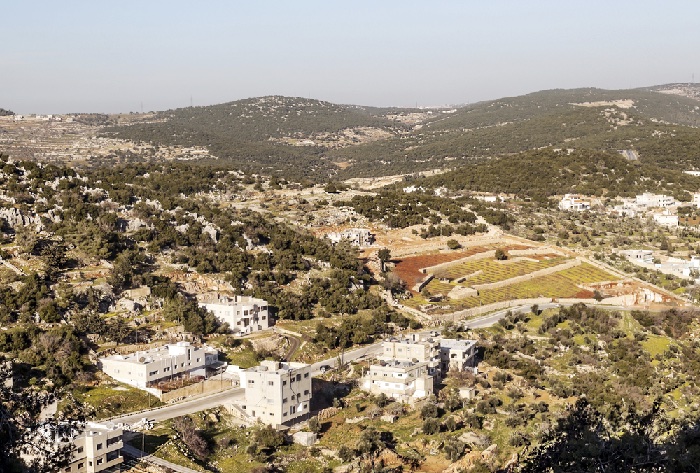
Discovering Irbid: Jordan Beyond the Classic Route
When most travelers think of Jordan, they picture Petra, Wadi Rum, the Dead Sea, Amman, Jerash, and the dramatic desert landscapes of the south. Irbid offers something different: a northern Jordanian city with deep history, student energy, local markets, food culture, nearby archaeological sites, and a more authentic everyday atmosphere.
Located in northern Jordan, around 70 kilometers from Amman, Irbid is an excellent base for travelers who want to explore the country’s northern heritage route. From here, visitors can reach Umm Qais, Ajloun, Jerash, Pella, Yarmouk Nature Reserve, Al Himma Hot Springs, and rural villages that reveal a softer, greener side of Jordan.
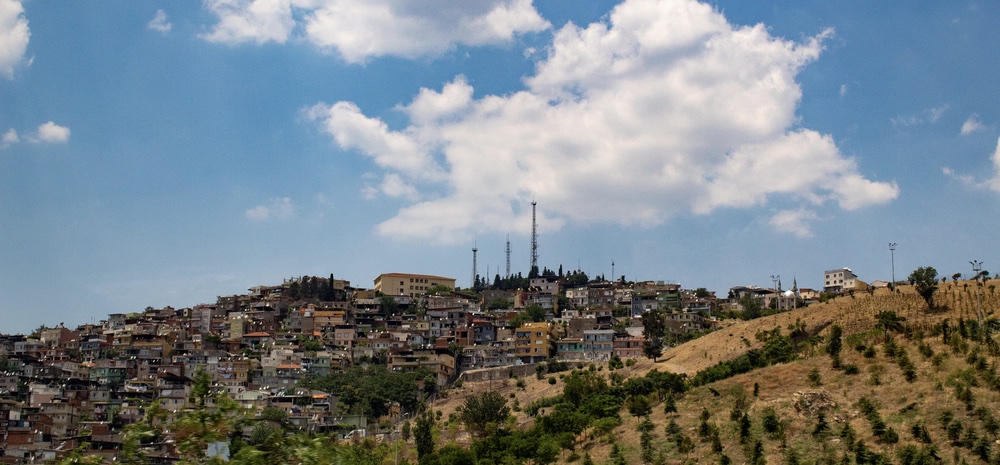
Irbid is not a polished resort destination. It is a working Jordanian city, full of universities, cafés, local restaurants, markets, family neighborhoods, and historical layers. For travelers who want depth and local context, Irbid can add a rewarding dimension to a Jordan itinerary.
Why Irbid Should Be on Your Jordan Itinerary
Irbid is valuable because it connects travelers to Jordan’s northern history and daily life. The city itself has ancient roots, while the surrounding region includes Roman cities, Byzantine remains, Islamic landmarks, nature reserves, fertile landscapes, hot springs, and panoramic viewpoints over the Jordan Valley.
For first-time travelers, Irbid works best as part of a wider northern Jordan route. For repeat visitors, researchers, food lovers, students, and culture-focused travelers, it can be a destination in its own right.
Irbid Travel Snapshot
The Rich History of Irbid
Irbid’s history stretches back thousands of years. The region has evidence of ancient settlement and was influenced by civilizations that shaped the Levant, including Bronze Age communities, classical-era cities, Roman and Byzantine culture, and later Islamic periods.
Ancient Arabella
In the classical period, Irbid was known as Arabella, part of the wider historical landscape of northern Jordan and the Decapolis world.
Trade and Agriculture
Northern Jordan’s fertile lands and strategic routes made the Irbid region important for agriculture, trade, settlement, and regional movement.
Modern Education Hub
Today, Irbid is known as a major university city, giving it a youthful, intellectual, and lively atmosphere within northern Jordan.
Top Attractions and Historical Sites in Irbid
Irbid’s strongest attractions are a mix of urban heritage, local museums, religious landmarks, markets, and nearby archaeological sites. The city is also a strategic base for exploring some of Jordan’s most impressive northern ruins.
Tell Irbid
An ancient mound connected with the historic city of Arabella, giving visitors a sense of Irbid’s long settlement history.
Dar As Saraya Museum
A historic building turned museum that helps visitors understand Irbid’s heritage, archaeology, and regional identity.
Al-Hasan Mosque
One of Irbid’s important modern religious landmarks and a useful stop for understanding local urban and spiritual life.
Shrine of Al-Khader
A revered religious site connected with local traditions and shared cultural memory in northern Jordan.
Irbid Downtown
A lively area for markets, cafés, street food, shops, bakeries, local movement, and everyday Jordanian city atmosphere.
University Districts
Irbid’s universities give the city a youthful personality, with student cafés, bookshops, casual dining, and a busy local rhythm.
Best Places to Visit Near Irbid
The greatest strength of Irbid is its location. From the city, travelers can reach several of northern Jordan’s most important archaeological, natural, and cultural sites.
Umm Qais Ancient Gadara
One of Jordan’s most atmospheric archaeological sites, with Roman ruins, basalt architecture, a theater, colonnaded streets, and sweeping views toward the Jordan Valley and Sea of Galilee.
Pella
A layered archaeological site in the Jordan Valley region with remains connected to many historical periods, ideal for travelers interested in deep history.
Ajloun Castle
A hilltop Islamic-era fortress surrounded by green landscapes, offering history, views, and a strong contrast to Jordan’s desert scenery.
Jerash
One of the best-preserved Roman cities in the region, with theaters, temples, gates, streets, plazas, and monumental architecture.
Yarmouk Nature Reserve
A natural escape with rolling hills, forested areas, birdlife, hiking opportunities, and a quieter side of northern Jordan.
Al Himma Hot Springs
A traditional thermal spring area near northern Jordan’s border region, associated with relaxation and local wellness traditions.
The Cultural Side of Irbid
Irbid’s cultural identity is shaped by education, agriculture, family life, markets, religion, student communities, northern Jordanian traditions, and proximity to important archaeological landscapes. It is a city where visitors can observe real Jordanian life outside the most famous tourist areas.
Museums and Heritage
Visit local museums and heritage spaces to understand the archaeological and social history of Irbid and northern Jordan.
Student City Energy
Universities bring youth culture, cafés, informal dining, local events, intellectual life, and a lively everyday atmosphere.
Local Festivals
Cultural events, music, community gatherings, and university activities can add depth for travelers who time their visit well.
Local Cuisine: What to Eat in Irbid
Irbid is an excellent place to enjoy everyday Jordanian food without the tourist polish of more famous destinations. Expect generous portions, fresh bread, grilled meats, hummus, falafel, shawarma, sweets, strong coffee, and traditional dishes served in local restaurants.
Mansaf
Jordan’s national dish, usually made with lamb, rice, and jameed yogurt sauce, served with hospitality and tradition.
Falafel and Hummus
A classic Jordanian breakfast or quick meal, usually served with bread, pickles, vegetables, tea, and fresh local sides.
Shawarma
One of the easiest and most popular street foods, often served with garlic sauce, pickles, fries, or fresh bread.
Kunafeh
A beloved Middle Eastern dessert made with cheese or cream, syrup, and pastry, perfect after a local dinner.
Shopping in Irbid: Traditional Markets and Modern Malls
Shopping in Irbid gives visitors a practical look at local life. Traditional souqs are good for fresh produce, spices, clothing, household goods, sweets, perfumes, and daily items, while modern malls provide cafés, retail shops, restaurants, and family entertainment.
For a more authentic experience, start with downtown markets and local bakeries, then compare them with Irbid’s malls and modern shopping centers.
Want to Add Irbid to Your Jordan Itinerary?
Ask Aladdin can help you combine Irbid with Amman, Jerash, Ajloun, Umm Qais, Pella, the Dead Sea, Petra, Wadi Rum, local food experiences, private transfers, and expert-guided northern Jordan routes.
Ask a Jordan Travel ExpertOutdoor Adventures and Natural Attractions Around Irbid
Northern Jordan is greener and more varied than many travelers expect. Around Irbid, visitors can explore hills, valleys, hot springs, nature reserves, rural roads, olive groves, and panoramic viewpoints.
Hiking
Northern Jordan’s hills and reserves offer hiking opportunities, especially in cooler months when the landscapes are more comfortable.
Birdwatching
The north’s varied landscapes attract birdlife and make nature routes more rewarding for patient travelers.
Hot Springs
Al Himma Hot Springs offer a traditional thermal experience and a different side of Jordan’s wellness landscape.
Scenic Drives
Routes between Irbid, Umm Qais, Ajloun, and the Jordan Valley offer beautiful views, villages, hills, and countryside scenes.
Tips for Traveling to and Around Irbid
Start from Amman
Irbid is easily reached from Amman by private car, bus, or shared transport. Private transfers are best for multi-stop sightseeing.
Use a Driver for Nearby Sites
Umm Qais, Ajloun, Pella, and nature reserves are easier with a private driver or organized route.
Dress Modestly
Jordan is generally welcoming, but modest clothing is respectful, especially in mosques, markets, villages, and family areas.
Carry Cash
Jordanian dinar cash is useful for taxis, local restaurants, markets, small shops, tips, and rural stops.
Try Simple Arabic
English is common in many travel settings, but Arabic greetings such as “marhaba” and “shukran” are appreciated.
Plan Around Traffic
Irbid can be busy, especially around university areas and downtown. Allow extra time for transfers and parking.
Where to Stay in Irbid
Irbid has accommodation options for different budgets, from practical city hotels and guesthouses to more comfortable business-style properties. The best location depends on whether you want access to downtown, universities, restaurants, or highways for day trips.
Central Hotels
Good for visitors who want access to restaurants, markets, cafés, museums, and city movement.
Business Hotels
Useful for travelers who want modern facilities, parking, easier transfers, and comfortable rooms.
Budget Stays
Best for students, long-stay visitors, practical travelers, and guests using Irbid as a base for northern Jordan.
Suggested Irbid Itinerary Ideas
Half Day in Irbid
Visit downtown, a local market, Dar As Saraya Museum, a mosque exterior, and finish with Jordanian food or sweets.
One Full Day
Explore Irbid in the morning, then visit Umm Qais for ancient ruins and panoramic sunset views.
Two to Three Days
Use Irbid as a base for Umm Qais, Pella, Ajloun, Jerash, Yarmouk Nature Reserve, hot springs, and local food experiences.
Keep Exploring Jordan with Ask Aladdin
Responsible Travel in Irbid
Irbid is a living Jordanian city, not a staged tourist destination. Responsible travel means respecting local customs, dressing modestly, asking before taking photos, supporting small businesses, and being mindful in religious and family spaces.
When visiting nearby archaeological sites and nature reserves, stay on marked paths, avoid littering, respect signs, and help protect fragile landscapes and heritage remains.
A thoughtful visit to Irbid supports local restaurants, guides, markets, hotels, museums, and communities while giving travelers a deeper view of Jordan beyond the famous landmarks.
Frequently Asked Questions About Irbid
Is Irbid worth visiting?
Yes. Irbid is worth visiting for travelers who want authentic Jordanian city life, northern Jordan history, local food, markets, and access to nearby sites like Umm Qais, Ajloun, Jerash, and Pella.
How far is Irbid from Amman?
Irbid is around 70 kilometers north of Amman. Travel time depends on traffic and transport type, but it is commonly visited by car, bus, or private transfer.
What is Irbid famous for?
Irbid is known for its northern Jordan location, university life, ancient Arabella history, local markets, food, and access to Umm Qais and other heritage sites.
How many days do I need in Irbid?
One full day is enough for Irbid and Umm Qais, but two to three days are better if you want to include Ajloun, Jerash, Pella, nature reserves, and food experiences.
What should I combine with Irbid?
Combine Irbid with Umm Qais, Ajloun Castle, Jerash, Pella, Yarmouk Nature Reserve, Al Himma Hot Springs, Amman, and the rest of a Jordan cultural route.
Irbid in One Sentence
Irbid is northern Jordan’s authentic cultural gateway, where ancient Arabella history, local markets, university life, Jordanian cuisine, nearby Roman ruins, nature reserves, and warm hospitality create a deeper view of the country.
Plan Your Northern Jordan Journey With Ask Aladdin
Ready to Discover Irbid and Northern Jordan?
Let Ask Aladdin help you plan a smooth Jordan itinerary that includes Irbid, Umm Qais, Jerash, Ajloun, Pella, Amman, Dead Sea, Petra, Wadi Rum, local food, private transfers, expert guides, and meaningful cultural experiences.
Our Jordan travel specialists can help you choose the right route, season, hotel base, private transfers, guides, local food stops, archaeological sites, nature experiences, and travel pace based on your dates, interests, and budget.


