
Welcome to Fujairah: The UAE’s Hidden East Coast Treasure
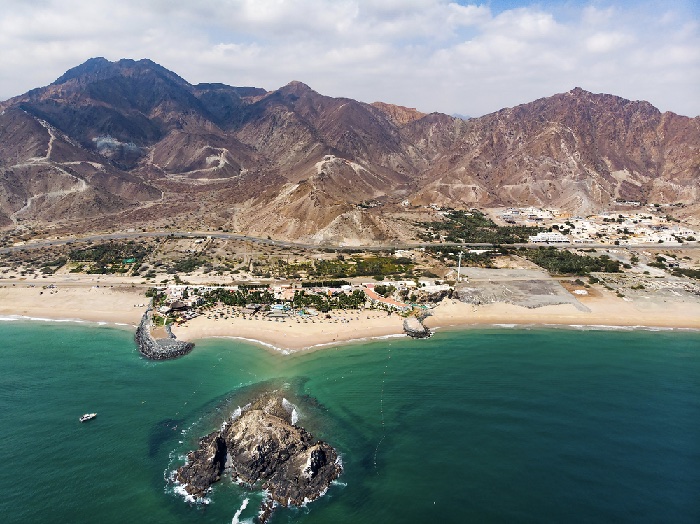
Fujairah is one of the most distinctive emirates in the United Arab Emirates. Unlike Dubai and Abu Dhabi, which are strongly associated with modern skylines and urban luxury, Fujairah is defined by mountains, beaches, forts, ancient mosques, fishing villages, coastal resorts, and a quieter pace of life.
Located on the Gulf of Oman and bordered by the dramatic Hajar Mountains, Fujairah offers a refreshing travel experience for visitors who want nature, history, water activities, scenic drives, and cultural discovery in one destination.
A strong Fujairah itinerary should include the coast, the mountains, Fujairah Fort, Al-Bidyah Mosque, Al Aqah Beach, Snoopy Island, local seafood, heritage stops, and enough time to enjoy the slower rhythm of the UAE’s east coast.
Quick Travel Snapshot
Fujairah Travel Guide Overview

Fujairah is the fifth-largest emirate in the UAE and the only emirate located almost entirely on the country’s eastern coast. Its position between the Hajar Mountains and the Gulf of Oman gives it a very different character from the rest of the UAE.
The emirate is known for rugged mountain scenery, clear coastal waters, snorkeling and diving spots, historic forts, old mosques, local markets, seafood restaurants, and beach resorts around Al Aqah and Dibba.
Fujairah is especially rewarding for travelers who want to see a quieter and more natural side of the UAE, either as a stand-alone beach and mountain escape or as part of a wider Emirates route.
Top Reasons to Visit Fujairah
A Different Side of the UAE
Fujairah replaces skyscraper energy with mountains, sea views, forts, fishing culture, and slower coastal charm.
Beaches and Marine Life
Al Aqah Beach, Snoopy Island, and the Gulf of Oman make Fujairah one of the UAE’s best areas for snorkeling and diving.
History and Heritage
Fujairah Fort, Al-Bidyah Mosque, museums, heritage villages, and old settlements reveal the emirate’s deep past.
Why Visit Fujairah?
Fujairah is one of the best destinations in the UAE for travelers who want natural landscapes, authentic heritage, coastal activities, and a quieter escape from the fast pace of the larger cities.
Mountain Landscapes
Explore the Hajar Mountains, scenic roads, wadis, viewpoints, hiking areas, and rugged natural beauty.
Coastal Escape
Relax on east coast beaches, swim in clear waters, dive near reefs, and enjoy resort life by the Gulf of Oman.
Cultural Depth
Visit forts, mosques, museums, local markets, fishing communities, and heritage sites connected to Emirati history.
The Geography and History of Fujairah
Fujairah covers around 1,165 square kilometers and is located on the eastern side of the UAE, bordering Oman. The emirate’s geography is dominated by the Hajar Mountains, which create a dramatic backdrop and separate Fujairah from the country’s western urban corridor.
Its coast faces the Gulf of Oman, giving Fujairah access to different marine conditions, beaches, fishing traditions, and diving environments from the Arabian Gulf side of the UAE.
Historically, Fujairah has been inhabited for thousands of years. Archaeological evidence suggests ancient settlement in the region since at least the 3rd millennium BC. Over time, the emirate was shaped by trade routes, mountain communities, coastal life, tribal history, and the cultural development of the UAE.
Top Attractions in Fujairah
Fujairah’s attractions are spread between the city, coast, mountains, and nearby villages. The best visit combines heritage landmarks with beaches, marine activities, local food, and scenic drives.
Fujairah Fort
One of the UAE’s oldest and largest forts, overlooking the city and offering insight into Fujairah’s defensive and political history.
Al-Bidyah Mosque
The oldest mosque in the UAE, built from stone and mud-brick, with a simple and deeply atmospheric design.
Fujairah Museum
A useful cultural stop with archaeological finds, traditional objects, weapons, pottery, and artifacts from the region’s past.
Al Aqah Beach
One of Fujairah’s most popular beach areas, known for resort stays, clear waters, views, and access to marine activities.
Snoopy Island
A famous snorkeling and diving spot near Al Aqah, known for its recognizable rock shape and marine life.
Hajar Mountains
The natural backbone of Fujairah, ideal for scenic drives, hiking, photography, mountain views, and off-road adventures.
Fujairah Heritage Village
A heritage attraction showing traditional houses, crafts, tools, local architecture, and older ways of life in the emirate.
Sheikh Zayed Mosque Fujairah
A major modern landmark in Fujairah city, known for its scale, Islamic architecture, and beautiful exterior presence.
Friday Market
A popular roadside market between mountains and villages, offering carpets, pottery, fruit, plants, souvenirs, and local goods.
Want to Visit Fujairah Without Missing the Best Stops?
Ask Aladdin can help you plan the best sightseeing order, beach timing, mountain route, private transfer, resort area, heritage stops, snorkeling plan, and nearby UAE extensions.
Ask a Travel ExpertCulture and Historical Sites in Fujairah
Fujairah’s cultural value is one of its strongest advantages. The emirate is home to forts, mosques, museums, heritage villages, traditional crafts, and archaeological traces that help visitors understand the UAE before modern urban growth.
The most important cultural stops include Fujairah Fort, Fujairah Museum, Al-Bidyah Mosque, Fujairah Heritage Village, and old mountain settlements around the emirate.
Fujairah Fort
A landmark of local history, defense, and architecture with strong views over the surrounding area.
Al-Bidyah Mosque
A rare historic mosque that reflects early Islamic architecture and the spiritual heritage of the east coast.
Heritage Village
A useful stop for understanding traditional homes, crafts, rural life, and local Emirati customs.
Beaches, Diving, and Marine Experiences
Fujairah is one of the UAE’s best destinations for beach and marine activities. Its Gulf of Oman coastline is known for clearer waters, rocky marine habitats, and snorkeling and diving opportunities that differ from the western side of the UAE.
Al Aqah Beach is the main resort beach area, while Snoopy Island is a popular spot for snorkeling and diving. Visitors may see colorful fish, turtles, reef life, and rocky underwater landscapes depending on conditions and season.
Al Aqah Beach
Best for beach resorts, swimming, water sports, relaxation, and family-friendly coastal stays.
Snoopy Island
A favorite for snorkeling, diving, marine life, kayaking, and iconic Fujairah beach photography.
Dibba Coast
A scenic northern coastal area known for mountain-meets-sea landscapes, boat trips, and relaxed resort stays.
Adventure Activities in Fujairah
Fujairah is a strong choice for soft adventure and outdoor exploration. The emirate’s mountains, coastline, wadis, beaches, and open roads create many opportunities for active travelers.
Kayaking and Canoeing
Explore the coast, calm waters, beach areas, and selected natural zones with guided kayaking or canoeing experiences.
Snorkeling and Diving
Discover east coast marine life around Snoopy Island, Al Aqah, and nearby dive sites in the Gulf of Oman.
Mountain Hiking
The Hajar Mountains offer scenic trails, viewpoints, wadis, and rugged landscapes for guided hiking experiences.
Off-Roading
Explore mountain roads and rugged terrain with experienced drivers and proper vehicles.
Mountain Biking
Selected routes around the mountains and wadis can be rewarding for active travelers with the right equipment.
Scenic Road Trips
The drive from Dubai or Sharjah to Fujairah offers mountain roads, market stops, viewpoints, and village scenery.
Food and Dining in Fujairah
Fujairah’s food scene combines traditional Emirati flavors, fresh seafood, Middle Eastern restaurants, hotel dining, cafés, casual grills, and international cuisine. Because of its coastal identity, seafood is one of the best things to enjoy here.
Fresh Seafood
Try grilled fish, prawns, seafood platters, and coastal restaurant dishes influenced by the Gulf of Oman.
Emirati Cuisine
Look for machboos, harees, luqaimat, dates, Arabic coffee, rice dishes, and local hospitality flavors.
Resort Dining
Beach resorts around Al Aqah and Dibba offer international restaurants, buffets, cafés, and relaxed waterfront meals.
Shopping in Fujairah
Shopping in Fujairah is more relaxed than in Dubai or Abu Dhabi. The emirate offers malls, local markets, roadside stalls, souvenir shops, traditional goods, pottery, carpets, plants, fruits, and beach-resort retail.
Fujairah Mall
A modern shopping center with international brands, dining, entertainment, and family-friendly facilities.
Friday Market
A classic east coast stop for carpets, pottery, plants, fruits, souvenirs, and roadside local shopping.
Local Souks
Explore smaller shops and markets for spices, everyday goods, textiles, souvenirs, and traditional items.
Suggested Fujairah Itinerary Ideas
One Day in Fujairah
Visit Fujairah Fort, Fujairah Museum, Al-Bidyah Mosque, Friday Market, and finish with a beach stop at Al Aqah or Snoopy Island.
Two Days in Fujairah
Add snorkeling or diving, a mountain drive, local seafood dinner, beach resort stay, and a relaxed morning by the coast.
Three Days or More
Include Dibba, mountain hiking, off-road routes, kayaking, spa time, beach activities, and nearby east coast villages.
Keep Exploring Nearby UAE Destinations
Best Time to Visit Fujairah
The best time to visit Fujairah is from October to April, when the weather is cooler and more comfortable for beaches, snorkeling, hiking, mountain drives, cultural sightseeing, and outdoor dining.
Summer, from May to September, can be very hot and humid. Beach resorts, pools, indoor facilities, and early morning or late afternoon activities are more suitable during this period.
For snorkeling and diving, conditions vary by season and sea state, so it is best to check with local operators before booking marine activities.
Where to Stay in Fujairah
Fujairah offers a mix of beach resorts, city hotels, family hotels, budget stays, and mountain-access accommodation. Your best area depends on whether you want resort comfort, heritage sightseeing, diving, or road-trip convenience.
Best for Beach Resorts
Stay around Al Aqah or Dibba for beachfront hotels, snorkeling, diving, family activities, and resort relaxation.
Best for City Access
Stay in Fujairah City for the fort, museum, mall, restaurants, city services, and practical transport access.
Best for UAE Road Trips
Use Fujairah as part of a route from Dubai or Sharjah through the mountains, markets, and east coast beaches.
Getting Around Fujairah
Fujairah is best explored by private car, rental car, or arranged transfer. Attractions are spread across the city, coastline, mountain roads, and nearby villages, so flexible transport makes a big difference.
A day trip from Dubai or Sharjah is possible, but an overnight stay is better if you want to enjoy both heritage sites and beach activities without rushing.
For mountain routes, off-road areas, hiking, and marine activities, it is safer and more rewarding to use experienced local guides or licensed operators.
Practical Tips for Visiting Fujairah
Dress Respectfully
Modest clothing is recommended in mosques, museums, heritage areas, markets, and local neighborhoods.
Plan Around Heat
Use mornings for forts, mosques, and mountains, and keep midday for beach resorts, lunch, or indoor stops.
Book Marine Activities
Snorkeling, diving, kayaking, and boat trips should be booked with licensed operators and checked against sea conditions.
Use a Private Route
A private driver or guide helps you combine mountain roads, heritage stops, beach time, and food stops smoothly.
Carry Water
Hydration is important, especially during outdoor sightseeing, hiking, beach days, and warm months.
Respect Nature
Avoid littering, do not damage coral, stay on safe trails, and follow local rules in mountains and marine areas.
Sustainable and Responsible Travel in Fujairah
Fujairah’s strongest assets are its natural landscapes, marine life, mountains, heritage sites, and local communities. Responsible travel helps protect these assets while supporting meaningful tourism.
Choose licensed operators for diving and snorkeling, avoid touching coral or marine life, keep beaches clean, respect mosque and heritage site rules, and support local restaurants, markets, and cultural attractions.
Responsible travel in Fujairah means enjoying its coast and mountains while protecting the natural and cultural identity that makes the emirate special.
Choose Your Best Fujairah Travel Style
For Families
Beach resorts, easy sightseeing, Fujairah Fort, Al-Bidyah Mosque, Friday Market, and safe coastal activities.
For Culture Lovers
Forts, museums, old mosques, heritage village, traditional markets, and east coast Emirati history.
For Adventure Seekers
Snorkeling, diving, kayaking, hiking, mountain roads, off-roading, and scenic outdoor exploration.
For Beach Travelers
Al Aqah, Snoopy Island, resort stays, sea views, pools, marine activities, and coastal relaxation.
Frequently Asked Questions About Fujairah
Is Fujairah worth visiting?
Yes. Fujairah is worth visiting for beaches, mountains, snorkeling, diving, heritage sites, forts, local culture, and a quieter UAE experience.
How many days do I need in Fujairah?
One day is enough for a quick road trip, but two to three days are better if you want beach time, snorkeling, mountains, and relaxed heritage sightseeing.
What is Fujairah famous for?
Fujairah is famous for the Hajar Mountains, Al Aqah Beach, Snoopy Island, Fujairah Fort, Al-Bidyah Mosque, diving, snorkeling, and east coast scenery.
Can I visit Fujairah from Dubai?
Yes. Fujairah can be visited from Dubai by private car or arranged tour. A day trip is possible, but an overnight stay gives a better experience.
What is the best time to visit Fujairah?
The best time is from October to April, when the weather is more comfortable for beaches, mountains, hiking, cultural sightseeing, and outdoor activities.
Fujairah in One Sentence
Fujairah is the UAE’s east coast escape, where the Hajar Mountains, Gulf of Oman beaches, historic forts, ancient mosques, marine adventures, scenic drives, seafood, and authentic Emirati heritage create one of the country’s most distinctive travel experiences.
Plan Your Fujairah Journey With Ask Aladdin
Ready to Discover Fujairah the Right Way?
Let Ask Aladdin help you design a smooth Fujairah experience, from the Hajar Mountains and Fujairah Fort to Al-Bidyah Mosque, Al Aqah Beach, Snoopy Island, snorkeling, diving, local seafood, heritage stops, and wider UAE travel routes.
Our UAE travel specialists can help you choose the best sightseeing order, hotel area, private transfers, beach resort, diving operator, mountain route, heritage stops, and travel pace based on your dates, budget, and preferred style.


