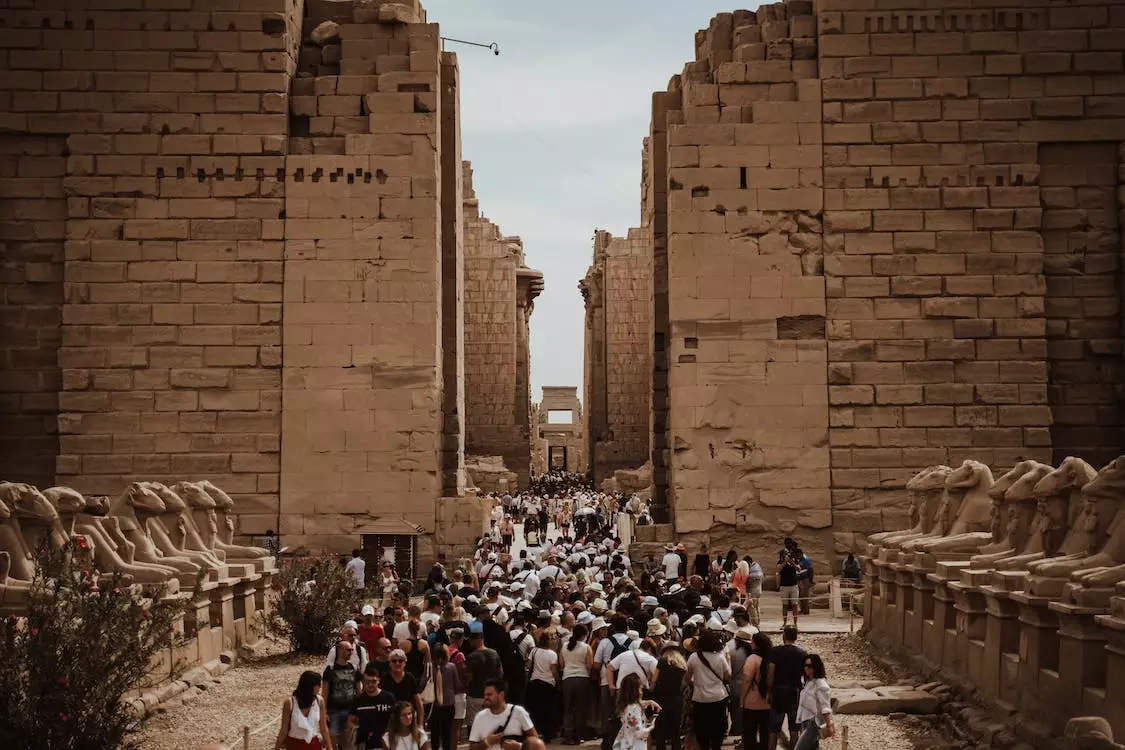
Myths & Facts About Egypt - A Deep Dive into Ancient Egyptian Culture
Ancient Egyptian culture is steeped in mystique and magic, wrapped in layers of myths and truths. Let's embark on an enlightening journey to sift through these layers, revealing the fascinating myths and facts of this timeless civilization.
1. The Divine Pantheon
1.1. The Multiplicity of Gods
Ancient Egypt was a polytheistic society with over 2,000 deities, each representing different aspects of life, from nature to morality. These gods and goddesses were believed to influence and control the natural and supernatural realms, shaping the lives of the Egyptians.
1.2. Anthropomorphic Deities
Intriguingly, the Egyptians often depicted their gods with human bodies and animal heads. These animalistic features symbolized the personality traits or powers of the gods. For instance, Anubis, the god of death, was portrayed with a jackal head, reflecting the animal's association with cemeteries.
1.3. The Role of the Deities
Each deity in the Egyptian pantheon had a specific role. Ra, the sun god, was the most revered god, while Isis, the goddess of magic, was considered the mother goddess. Anubis, with his control over death, played a significant role in the afterlife journey, and Osiris ruled the underworld.
2. Myths and Legends
2.1. The Creation Myth
One of the most captivating Egyptian myths is the creation story. It was believed that the world was created by the sun god Ra. Every morning, Ra was thought to be reborn, traveling across the sky, bringing life to the world. At dusk, he would descend into the underworld, symbolizing death.
2.2. The Tale of Osiris and Isis
The story of Osiris, Isis, and their son Horus, is a cornerstone of Egyptian mythology. Osiris, the god of the underworld, was slain by his brother Set. His wife, Isis, used her magical powers to resurrect him, giving birth to Horus. Horus eventually avenged his father's death, symbolizing the triumph of order over chaos.
2.3. The Myth of Anubis
Anubis, the god of death and mummification, held a crucial role in Egyptian mythology. He was credited with inventing mummification and was believed to guide souls to the afterlife, where he'd weigh their hearts against the feather of Ma'at, the goddess of truth.
3. Mummification - A Passage to Eternity
3.1. The Belief in Afterlife
The ancient Egyptians had a profound belief in the afterlife. They thought that preserving the body through the process of mummification would allow the soul, or 'ka', to reunite with the body in the afterlife. This belief played a vital role in Egyptian funeral practices.
3.2. The Process of Mummification
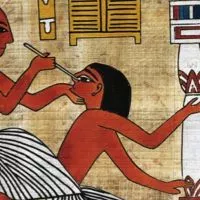
During mummification, the embalmers removed the brain through the nose using a metal hook. The heart, considered the seat of the soul, was left intact, while the lungs, stomach, liver, and intestines were removed and placed in canopic jars. The body was then wrapped in linen bandages, ready for the afterlife.
4. The Majestic Pyramids
4.1. The Construction of the Pyramids
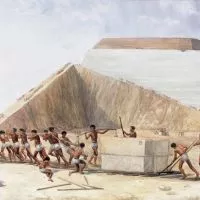
Contrary to popular belief, the construction of the pyramids was not the work of slaves. Archaeological evidence suggests that they were built by a workforce of salaried employees and temporary workers, reflecting the advanced engineering skills of the ancient Egyptians.
4.2. The Significance of the Pyramids
The pyramids were primarily built as tombs for pharaohs and their families. These architectural marvels were a testament to the Egyptians' belief in eternal life. The most famous pyramid, the Great Pyramid of Giza, remained the tallest man-made structure on Earth for nearly 4,000 years.
5. The Sacred Nile River
The Nile River was considered the lifeblood of ancient Egypt. Its annual flooding provided fertile soil for agriculture, enabling the civilization to flourish. The Egyptians believed that the tears of the goddess Isis caused the Nile to overflow each year, which they celebrated with the "Night of the Tear Drop" festival.
6. Equality in Ancient Egypt
In stark contrast to many ancient societies, Egyptian women enjoyed equal rights as men. They could own, earn, buy, sell, and inherit property. They also had the right to divorce and remarry. This level of gender equality was quite revolutionary for the time.
7. The Legacy of Cleopatra
Cleopatra, the last active ruler of the Ptolemaic Kingdom of Egypt, is one of history's most iconic figures. Despite being remembered primarily for her beauty, Cleopatra was highly educated, fluent in multiple languages, and an astute political leader.
8. The Hieroglyphs - Ancient Egypt's Writing System
Hieroglyphs, one of the oldest writing systems in human civilization, was extensively used in formal Ancient Egyptian writing. The decipherment of hieroglyphs was made possible by the Rosetta Stone, which contained the same text in three scripts—Greek, Demotic, and Hieroglyphic.
9. Egypt's Vibrant Modern Culture
While Egypt's ancient history is indeed captivating, the country is also a modern, diverse, and thriving nation. Egypt has embraced modernity, especially in cities like Cairo and Alexandria, while also preserving its rich cultural heritage and traditions.
10. The Myths and the Facts
There are many myths associated with ancient Egypt, from the belief that aliens built the pyramids to Cleopatra's exotic beauty secrets. However, a closer look at the historical and archaeological evidence often reveals a different story, debunking these fascinating myths.
In conclusion, the myths and facts of ancient Egypt provide us with a fascinating window into one of history's most enduring and influential civilizations. They give us a deeper understanding of the beliefs, traditions, and practices that shaped this magnificent culture, which continues to captivate and inspire us today.
Myths & Facts
Fact: they saw death as simply another chapter in life
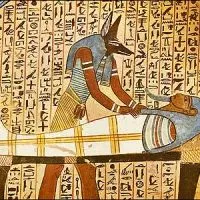
Fact: King Tut died because of a hippopotamus
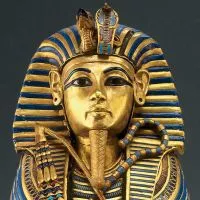
Fact: the ancient pharaohs were thin, fit & well built
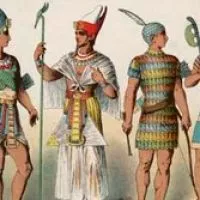
Fact: There is no way to find out for sure.
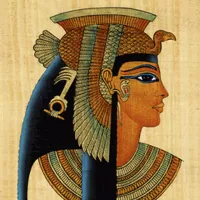
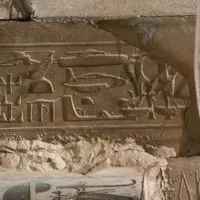
Fact: there's stone engravings as prove they must’ve been in Contact with Aliens
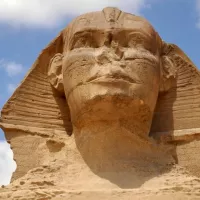
Fact: The nose thief remains anonymous to This Day.
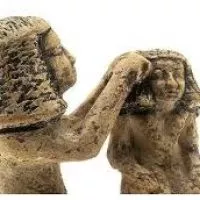
Fact: Ancient Egyptian’s fashion actually prevented against head lice for the more well-off Egyptians
Fact: The Pyramids Were Not in Fact Built by Slaves
Fact: Egyptians Used Antibiotics and Did Not Even Know About It.
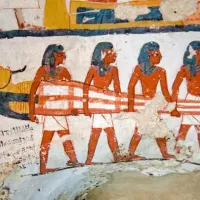
Fact: While it is true that the ancient Egyptians placed great importance on the afterlife, they also celebrated life and its pleasures.
Fact: Contrary to popular belief, the Great Pyramid of Giza was not built by slaves but by skilled laborers, including masons, carpenters, and artists.
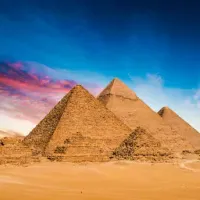
Fact: Although tourism is a crucial sector of Egypt's economy, it is not the sole source of income.

Fact: While Egypt does face challenges in terms of gender equality, it is important to recognize the progress made in recent years.

Fact: Egypt's healthcare system has indeed faced challenges in the past, but significant efforts have been made to modernize and improve its quality.
Fact: Although Egypt has a history of military rule, the country has taken steps toward a more democratic political system in recent years.

Fact: While Egypt has undoubtedly evolved over time, its ancient history and cultural heritage remain an essential part of its identity.