
Egypt Upper Nile Travel Guide
Luxor Travel Guide
Luxor is Egypt’s legendary open-air museum, where the temples of Karnak and Luxor, the Valley of the Kings, the Valley of the Queens, Hatshepsut Temple, Nile views, ancient Thebes, and timeless pharaonic history create one of the world’s greatest cultural journeys.
Welcome to Luxor: The World’s Greatest Open-Air Museum
Located in Upper Egypt, Luxor is one of the most important historical destinations on earth. It stands on the site of ancient Thebes, the powerful religious capital of Egypt during much of the pharaonic period and the spiritual heart of the god Amun-Ra.
Luxor is home to an extraordinary concentration of temples, tombs, monuments, colonnades, obelisks, reliefs, royal burial sites, and sacred landscapes. Few places in the world allow travelers to move so directly through thousands of years of civilization in such a compact and visually dramatic setting.
Whether you are visiting for two days or a full week, Luxor deserves slow, thoughtful exploration. The East Bank reveals the living city and the great temple complexes, while the West Bank opens the ancient world of royal tombs, mortuary temples, desert cliffs, and the “City of the Dead.”
Luxor Travel Guide Overview
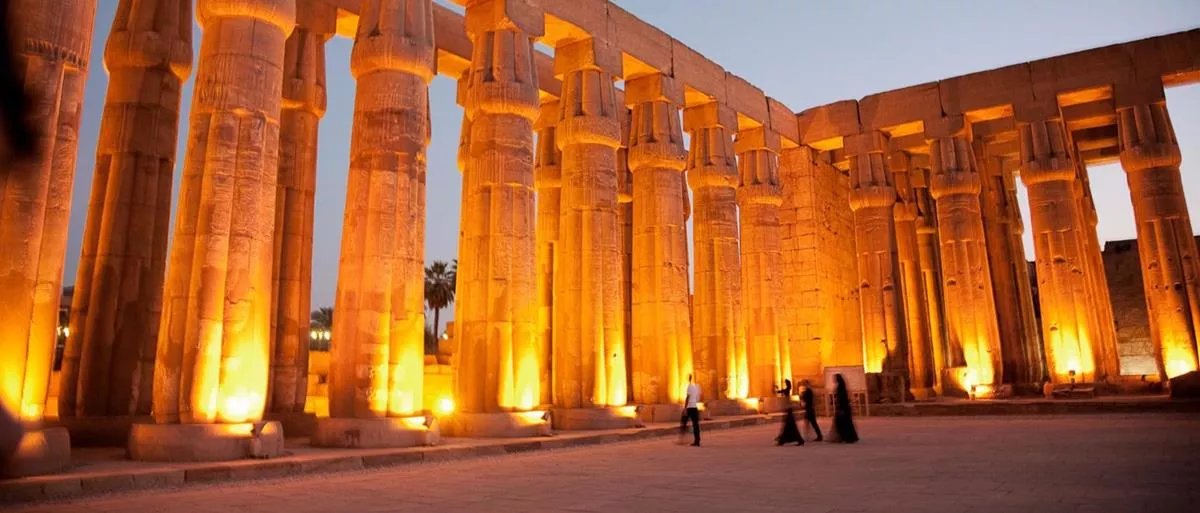
Luxor is often described as the world’s largest open-air museum because it contains a remarkable share of Egypt’s most valuable monuments and antiquities. Its famous sites include Luxor Temple, Karnak Temple, the Valley of the Kings, the Valley of the Queens, the Mortuary Temple of Hatshepsut, Deir El-Medina, the Colossi of Memnon, and many noble tombs.
The city sits around 670 kilometers south of Cairo, around 220 kilometers north of Aswan, and roughly 280 kilometers west of Hurghada. This makes Luxor an essential stop in classic Egypt itineraries and a natural connection point between Cairo, Aswan, Nile cruises, and the Red Sea.
Most travelers stay two to four nights, but Luxor can easily reward a longer visit. The more time you give it, the more you can appreciate the relationship between temples, tombs, gods, kings, priests, workers, the Nile, and the surrounding desert.
Why Visit Luxor?
Luxor is not just another stop in Egypt. It is the place where ancient Egypt feels most complete, from monumental temples on the East Bank to royal tombs hidden in the desert cliffs of the West Bank.
Unmatched Ancient Monuments
Explore Karnak, Luxor Temple, Hatshepsut Temple, royal tombs, noble tombs, and sacred avenues.
The Story of Thebes
Discover the city that became Egypt’s religious center and one of the greatest capitals of the ancient world.
Perfect Nile Cruise Base
Start or end a Nile cruise between Luxor and Aswan, visiting Edfu, Kom Ombo, and Upper Egypt’s riverside temples.
The Ancient City of Thebes

Ancient Thebes was one of the most powerful and sacred cities in Egypt. Although it was not always the capital of a united Egypt, it became the capital of Upper Egypt at critical moments and later rose to immense religious and political importance.
During the period of the Hyksos invasion, Thebes played a central role in resistance from the south. It was from this region that Ahmose I launched the campaign that eventually expelled the Hyksos and helped establish the New Kingdom.
Thebes was also deeply connected to the cult of Amun-Ra. Its temples, processional routes, priesthoods, and royal building programs shaped much of what visitors now experience in modern Luxor.
East Bank and West Bank: Understanding Luxor
Luxor is divided by the River Nile into two major sightseeing zones. The East Bank was associated with life, temples, worship, administration, and the living city. The West Bank was associated with the afterlife, tombs, mortuary temples, and the desert landscape of death and rebirth.
East Bank: City of the Living
Best for Karnak Temple, Luxor Temple, museums, Nile views, hotels, restaurants, markets, and evening walks.
West Bank: City of the Dead
Best for the Valley of the Kings, Valley of the Queens, Hatshepsut Temple, noble tombs, Deir El-Medina, and desert cliffs.
Best Planning Strategy
Do the East Bank and West Bank on separate days. This keeps the pace comfortable and avoids rushing the most important sites.
Karnak Temple: The Spiritual Giant of Luxor
Karnak Temple is one of the largest and most important religious complexes ever built. Dedicated mainly to Amun-Ra, it was expanded across generations by many pharaohs, each leaving their mark through pylons, courts, chapels, obelisks, statues, and reliefs.
The Great Hypostyle Hall is one of the most unforgettable spaces in Egypt. Its forest of massive columns gives visitors a powerful sense of scale, ceremony, and sacred architecture.
Karnak is best visited with a knowledgeable guide who can explain the layers of construction, the role of Amun-Ra, the sacred lake, the processional routes, and the political symbolism of temple building.
Luxor Temple and the Avenue of Sphinxes
Luxor Temple stands in the heart of the modern city and is especially beautiful at sunset and after dark. Unlike Karnak, which feels like a vast sacred complex, Luxor Temple has a strong urban presence and a dramatic connection with the Nile and city life.
The temple was connected to Karnak by the ancient Avenue of Sphinxes, a ceremonial route used during religious festivals. Today, this connection helps travelers understand how the East Bank functioned as a living sacred landscape.
Ask Aladdin Tip
Visit Karnak in the morning and Luxor Temple in the late afternoon or evening. This creates a better visual rhythm and avoids the hottest part of the day.
The Valley of the Kings
The Valley of the Kings is one of the most famous archaeological sites in the world. Hidden in the desert cliffs of the West Bank, it served as the burial place of many New Kingdom pharaohs, including Tutankhamun, Seti I, Ramses II, and other powerful rulers.
The tombs were designed to protect the king’s body and support his journey into the afterlife. Their painted corridors, burial chambers, religious texts, and symbolic scenes reveal ancient Egyptian beliefs about death, rebirth, and divine transformation.
Tickets usually include access to a selection of open tombs, while certain special tombs may require separate tickets. A good guide can help you choose the best tomb combination based on preservation, color, significance, and crowd levels.
Hatshepsut Temple, Valley of the Queens, and Deir El-Medina
The West Bank offers far more than the Valley of the Kings. It is a complete sacred landscape filled with temples, tombs, villages, and viewpoints.
Hatshepsut Temple
A dramatic terraced mortuary temple built into the cliffs of Deir El-Bahri, honoring one of Egypt’s most powerful female pharaohs.
Valley of the Queens
The burial area of royal women and princes, including the famous tomb of Queen Nefertari when open to visitors.
Deir El-Medina
The village of the artisans who built and decorated the royal tombs, offering a rare look at daily life in ancient Egypt.
Luxor Museums and Cultural Stops
Luxor is not only about outdoor monuments. The city also has important museums that help visitors understand the objects, rituals, and historical context behind the temple and tomb sites.
Luxor Museum
A beautifully curated museum with important statues, reliefs, royal objects, and artifacts from the Theban region.
Mummification Museum
A compact but valuable stop explaining mummification practices, religious beliefs, and ancient Egyptian funerary science.
Local Markets
Explore bazaars, spice shops, alabaster workshops, cafés, and local streets for a more human side of Luxor.
Nile Cruises from Luxor
Luxor is one of the main gateways for Nile cruises between Luxor and Aswan. A cruise allows travelers to combine Luxor’s major monuments with riverside temples such as Edfu and Kom Ombo, while enjoying a slower view of Upper Egypt from the water.
Most classic cruise programs sail between Luxor and Aswan over several nights. Travelers can begin in Luxor and end in Aswan, or do the reverse depending on flight schedules and wider Egypt itinerary plans.
Best For
Nile cruises are ideal for first-time Egypt travelers, couples, families, senior travelers, and visitors who want temples, comfort, scenery, and organized logistics in one journey.
Suggested Luxor Itinerary Ideas
1 Day in Luxor
Focus on Karnak Temple, Luxor Temple, the Valley of the Kings, Hatshepsut Temple, and the Colossi of Memnon.
2 Days in Luxor
Spend one day on the East Bank and one day on the West Bank. Add Luxor Museum or a sunset Nile felucca ride.
4 Days in Luxor
Add Deir El-Medina, Valley of the Queens, noble tombs, Medinet Habu, museums, markets, and a slower pace between sites.
How to Get to Luxor
Luxor is one of Egypt’s best-connected heritage destinations. Travelers can reach it by air, train, road, or Nile cruise depending on their itinerary style, comfort level, and travel schedule.
By Air
Luxor International Airport is close to the city and connects with Cairo and other routes. Cairo to Luxor flights are usually the fastest option.
By Train
Luxor sits on the Cairo-Aswan railway line. Sleeper trains and selected tourist-friendly services can be used depending on current rules.
By Cruise
Nile cruises typically connect Luxor and Aswan, creating one of the most classic travel experiences in Egypt.
By Road
Luxor can be connected by road with Aswan, Edfu, Kom Ombo, and Hurghada, but private transfers or organized transport are recommended.
Luxor Travel Tips
Best Time to Visit
October to April is the most comfortable season. Summer can be extremely hot, especially on the West Bank.
Start Early
Begin sightseeing early in the morning to avoid heat, crowds, and harsh midday light at tombs and temples.
Use a Qualified Guide
Luxor is full of symbolic detail. A strong Egyptologist guide transforms the visit from sightseeing into deep understanding.
Protect Yourself from the Sun
Bring a hat, sunglasses, sunscreen, light clothing, and water. Many sites involve walking in open sun.
Plan Tomb Tickets Carefully
Some tombs require special tickets. Decide in advance if you want to include premium tombs or focus on standard entries.
Stay More Than One Night
Luxor deserves at least two nights. A rushed day trip misses much of the city’s depth and atmosphere.
Health, Safety, and Local Etiquette
Luxor is a major tourist destination and generally welcoming, but smart planning makes the experience smoother. Use trusted transport, agree prices in advance when needed, and keep small cash for tips, bathrooms, and local purchases.
Temple Etiquette
Respect barriers, avoid touching reliefs, and follow photography rules, especially inside tombs and museums.
Comfortable Clothing
Wear breathable clothing and comfortable shoes. Modest casual dress is best for city walks and local areas.
Hydration
Carry bottled water during sightseeing. Heat and walking can be intense, especially on the West Bank.
Who Is Luxor Best For?
History Lovers
Temples, tombs, inscriptions, pharaohs, gods, dynasties, and ancient Thebes.
First-Time Egypt Travelers
Luxor is essential for anyone wanting the classic Egypt experience beyond the pyramids.
Nile Cruise Guests
Perfect as the start or end point of a Luxor-Aswan Nile cruise.
Photographers
Sunrise balloons, Nile views, temple columns, desert cliffs, statues, and golden light.
Luxor in One Sentence
Luxor is the heart of ancient Thebes, where the Nile, temples, royal tombs, sacred landscapes, and thousands of years of Egyptian civilization come together in one unforgettable open-air museum.
Plan Your Luxor Journey With Ask Aladdin
Ready to Walk Through Ancient Thebes?
Let Ask Aladdin help you design the perfect Luxor experience, whether you want a private Egyptologist-guided visit, a Nile cruise, a West Bank deep dive, a family-friendly itinerary, a photography-focused trip, or a complete Egypt journey combining Cairo, Luxor, Aswan, Abu Simbel, and the Red Sea.
Our Egypt travel specialists can help you choose the best hotel location, sightseeing sequence, tomb tickets, Nile cruise plan, private guide, transfer route, and travel pace based on your dates, budget, and preferred style.


-askaladdin.webp "Nile Legend Tour Package")
-askaladdin.webp "Grand Egypt Tour Package")


