• search
  • US

The Myths and Facts About Morocco

1. The Landscape Misconception: A Country of Deserts

Myth: Morocco is entirely a desert.

Fact: Morocco is certainly home to the Sahara Desert, but this isn't the whole story. The country is geographically diverse, boasting the Atlas Mountains, fertile plains, and expansive coastlines. The range of landscapes is often a surprising revelation to first-time visitors.

2. The Language Misconception: A Solely Arabic-speaking Nation

Myth: All Moroccans speak Arabic.

Fact: Arabic is indeed the official language in Morocco, but it is far from the only one spoken. Many Moroccans also converse in Berber, with its distinct dialects. Moreover, French is commonly used in business, government, and educational settings. English is increasingly spoken, particularly in tourist areas.

3. The Cultural Misconception: A Stereotyped Picture

Myth: Morocco is exactly like the portrayal in the movie "Aladdin".

Fact: People often imagine Morocco as a scene straight out of "Arabian Nights", complete with sultans, tents, and camels. However, Morocco is a fusion of Middle Eastern and European cultures. The marketplaces may remind one of "Aladdin", but the reality is far from a musical fairy tale.

4. The Safety Misconception: A Dangerous Destination

Myth: Morocco is very dangerous.

Fact: Like any destination, Morocco requires visitors to exercise basic precautions. However, Morocco is generally a safe country for tourists. The crime rate is relatively low, and most visitors find Morocco to be a welcoming and hospitable place.

5. The Infrastructure Misconception: A Lack of Modern Amenities

Myth: Morocco lacks electricity, Internet, or other developments.

Fact: Morocco has a robust infrastructure, with reliable electricity and Internet services common in most parts of the country. The cities are well-paved, and international chain stores and shopping centers are common sights.

6. The Dance Misconception: The Land of Belly Dancing

Myth: Belly dancing is traditionally Moroccan.

Fact: Contrary to popular belief, belly dancing is not a part of traditional Moroccan culture. Most belly-dancing shows are primarily catered to tourists. Traditional Moroccan dancing is mostly seen at weddings and in all-women settings.

Myths & Facts


Fact: Moroccans expect their clients to barter.
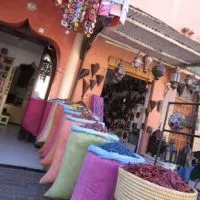
In Morocco, bargain hunting is expected. In spite of the fact that it's noble to pay the asking price, bartering is still encouraged. Marrakech merchants are especially excellent businessmen. They comprehend the worth of their products in Europe and the United States and will ask for them. You will definitely have a more local experience if you find a welcoming entrepreneur. At first, they might laugh when you attempt to barter because they realize it is not a Western custom, but if you find a friendly vendor, you will certainly be able to participate.
 It's rude to barter in a country with an economy that isn't as strong as mine. You should pay the asking price.


Fact: Many restaurants are Westernized and of no concern, but it's best to get recommendations for places
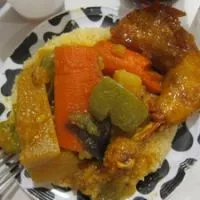
Restaurants in Morocco are plentiful, and many of them are Westernised, but you should seek out recommendations from a concierge, a friend, or a guide who will not steer you astray. It's a fact that Moroccans in smaller cities still eat with their right hand, use their left hand for hygiene, and have done so for centuries. Even if the food is extremely fresh, Westerners may be exposed to unfriendly bacteria during the preparation process. 
You can eat anything, as long as it's cooked.


Fact: Getting out of the city is easier than you'd think.
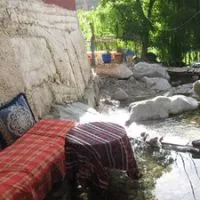
There are a number of ways to get out of Marrakesh, which is only 30 kilometers from the Atlas Mountains (a great place to explore) and La Vallée de l'Ourika (a great place to hike). You can eat tagine at one of a dozen restaurants where the River Ourika flows down from the High Atlas Mountains. The image, in which you can dine while your feet are cooled by the water as it flows over the stones, is really cool. 
It's all desert, with dunes for miles. And a camel ride is the only way in or out.


Fact: Knowing a few words in Arabic will help.

It is beneficial to know a few words in Arabic when visiting Morocco, as Arabic and Berber are the country's official languages. Likewise, knowing French will be useful since Morocco was a French and Spanish protectorate. The people of Chefchaouen (a village in Morocco where a lot of people speak Spanish) will be able to understand Spanish. 
A few words to know in Arabic:

Assalam (hello);
Bslama (goodbye);
Choukran (thank you);
Afak (please);
m’n fadlek (excuse me)
 You have to speak Arabic


Fact: You’re not obliged to buy just because you’ve stepped in to have a look.
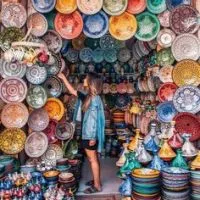
Although the medina shopkeepers are enthusiastic salespeople, you are not required to purchase anything just for looking. A small tip is always appreciated upon departure, and you should not initiate bargaining unless you are seriously interested in buying. 
You’re obliged to buy once you step into a store


Fact: It's never a bad idea to download an offline Google Map of Morocco
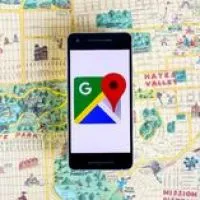
Having an offline Google Map is never a poor choice when visiting Morocco, particularly in medinas, which are notoriously complex. Fes's medina alone is said to have 9,000 streets and 40,000 cul-de-sacs. It's a great idea to get a map from your hotel and write down its location. Maintain some research and have a general notion of what you'd like to see/buy, or seek the assistance of a prearranged guide. If you get lost on your own, seek assistance from a nearby business and tip them for their help. 
Google Maps will be sufficient


Fact: It is a big country and temperatures can vary depending on where you are, but it is warm year round.
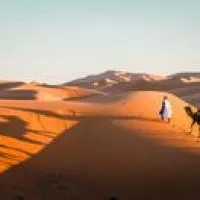
It’s a large country, and temperatures vary across it, so it stays pleasant all year round. Whether you want to visit the desert or anywhere else, bring something warm, as it will get cold after dark. In addition, if you visit outside of the summer season, a light jacket or scarf will always be useful for the evenings. 
 Morocco is hot


Fact: Not everything is shut so like anything, it’s best to check ahead
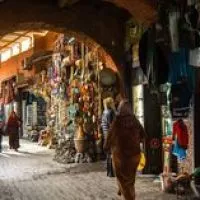
It's important to double-check prior to visiting Marrakech because not everything is closed for Friday prayers. There are supermarkets, banks, hotels, and even some shops in the medina that will remain open as usual, except in Fes, where most of the souks and cafes will be closed on Friday. 
Everything is shut on Fridays


Fact: Bottled water is safer to drink, but hotels properly sanitise filtered water for guests

Bottled water is safer to drink, but hotels properly sanitize filtered water for guests, which you may bring along with you to stay hydrated if you are venturing into the desert. 
You should only drink bottled water


Fact: Morocco is a cash-friendly country especially if you’re picking up souvenirs from the souk.
You may use a credit card at large stores, hotels, and restaurants, but this country is cash-friendly if you are buying souvenirs from the souk. Having dirhams will come in handy when tipping, especially if you are there. Remember that Morocco is a cash-only country, so you will only be able to obtain dirhams by being there. Keep in mind that Euros, US dollars, and Pound sterling are the most widespread currencies. Budget carefully, as anything you don't spend once you leave Morocco cannot be exchanged. 
Credit cards are accepted everywhere


Fact: Morocco is generally a safe country for tourists.
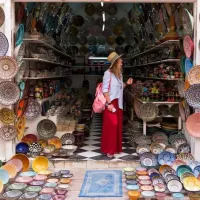
While petty crime, such as pickpocketing, can occur in crowded areas, most visitors experience a trouble-free stay. The Moroccan government invests in maintaining security, particularly in popular tourist areas. As with any travel destination, it's important to exercise common sense and follow safety precautions.
Morocco is unsafe for tourists


Fact: Although Morocco is a predominantly Muslim country, alcohol is legal and available for purchase in many hotels, restaurants, and bars.
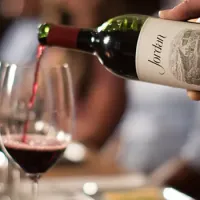
However, public consumption of alcohol is frowned upon, and it is respectful to adhere to local customs and avoid drinking in public places.
Alcohol is illegal in Morocco


Fact: While couscous and tagines are staples of Moroccan cuisine, the country's culinary offerings are diverse and influenced by Arab, Berber, Mediterranean, and French traditions. Moroccan cuisine features a variety of flavors, using spices like saffron, cumin, and paprika.
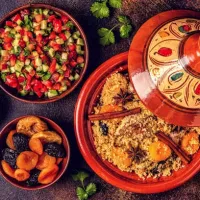
Other popular dishes include bastilla (a savory pastry), harira (a traditional soup), and a wide selection of salads and sweets.
Moroccan cuisine is limited to couscous and tagines


Fact: While Moroccan culture is rooted in Islamic traditions, the country is also influenced by European and other African cultures.
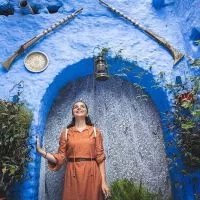
Although there is no strict dress code, dressing modestly out of respect for local customs is advisable, especially when visiting rural areas or religious sites. Generally, covering shoulders and knees is considered appropriate for both men and women.
Morocco is a conservative country with strict dress codes


Fact: Morocco offers a range of accommodations, dining options, and activities to suit various budgets.
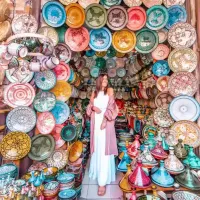
While luxury experiences are available, budget travelers can also find affordable hostels, guesthouses, and local eateries. Public transportation is reasonably priced, and many tourist attractions are free or inexpensive to visit. By planning ahead and being resourceful, it is possible to explore Morocco on a budget.
Morocco is expensive and inaccessible for budget travelers
  • experts
  • thumbs up
  • egypt banner
  • thumbs up