Myths About The United Arab Emirates: What You Thought You Knew May Be Wrong
The United Arab Emirates (UAE), particularly its most populous city, Dubai, has become a hotspot for tourism, business, and expat living. However, many misconceptions about the UAE are perpetuated by the media and word-of-mouth. In this article, we aim to debunk some of these myths and provide a more accurate picture of life in the UAE.
Myth 1: Everyone in the UAE is Wealthy
Contrary to popular belief, only some people in the UAE are rolling in riches. While the region has its fair share of millionaires and billionaires, most of the population consists of working-class individuals, many expats. They work in various sectors, such as construction, hospitality, retail, and education.
The income disparity in the UAE is significant, with a large portion of the population earning less than AED 5,000 per month. Many residents live in shared accommodations and work long hours to support themselves and their families back home.
Myth 2: It's Always Hot in the UAE
While it's true that the UAE experiences high temperatures, especially in the summer months, it's not always scorching hot. The climate varies throughout the year, with the hottest months being June through September, when temperatures can exceed 40°C.
However, the weather is much more pleasant from October to May, with average temperatures between 20°C and 30°C. Furthermore, contrary to the myth that the UAE is just a desert, it boasts beautiful beaches, lush gardens, and even mountainous regions in the northern emirates.
Myth 3: Alcohol is Completely Prohibited
The UAE, being a Muslim-majority country, does have strict regulations regarding the consumption and sale of alcohol. However, it's not entirely banned. Non-Muslims are allowed to consume alcohol in licensed venues such as hotels, restaurants, and bars.
Moreover, residents can apply for an alcohol license to purchase alcohol from designated stores for personal consumption at home. However, public intoxication and drunk driving are serious offenses that can lead to hefty fines or imprisonment.
Myth 4: Women Must Always Be Fully Covered
The UAE is conservative, and local customs and traditions should be respected. However, the dress code is more relaxed than some might think. While modest clothing is encouraged, especially in public places like malls and government buildings, there's no requirement for women to be fully covered at all times.
You'll see a wide range of clothing, from bikinis to sundresses, in tourist areas, beaches, and many hotels. However, when visiting religious sites or during Ramadan, it's essential to dress modestly out of respect for local customs.
Myth 5: The UAE Lacks Cultural and Historical Attractions
With its iconic skyscrapers and modern architecture, Dubai often takes the spotlight when people think of the UAE. However, the country is full of culture and history. The UAE has a rich Bedouin heritage, and there are numerous cultural sites and museums where you can learn about the region's history.
For instance, the Al Fahidi Historic District in Dubai is a well-preserved neighborhood that offers a glimpse into the city's past. In Abu Dhabi, the Sheikh Zayed Grand Mosque and the Louvre Abu Dhabi Museum are testaments to the UAE's cultural prowess.
Myth 6: Arabic is the Only Language Spoken
While Arabic is the official language of the UAE, English is widely spoken and understood. The country is incredibly diverse, with expats from all over the world, making it a multilingual nation. Road signs, restaurant menus, and official documents are usually in Arabic and English.
That said, learning a few basic Arabic phrases can enhance your experience in the UAE and is often appreciated by locals.
Myth 7: The UAE is Unsafe
Despite its location in the Middle East, a region often associated with political unrest, the UAE is remarkably safe. The country has one of the lowest crime rates in the world, and stringent laws ensure that residents and tourists feel secure.
Whether walking around late at night, leaving your phone unattended at a café, or using public transport, the UAE is generally very safe.
Myth 8: The UAE is Not Women-Friendly
The UAE has made significant strides in promoting gender equality. Women in the UAE enjoy the same legal rights as men, and the government actively promotes women's participation in the workforce and leadership roles.
The UAE is one of the few countries worldwide where the law mandates equal pay for men and women. While the country still has progress in certain areas, it's far from being a hostile place for women.
Myth 9: Dubai is a Concrete Jungle
While Dubai is known for its skyline filled with towering skyscrapers, it's not entirely a concrete jungle. The city has numerous parks and green spaces, such as the Dubai Miracle Garden, Creek Park, and Zabeel Park.
Furthermore, initiatives like the Dubai Sustainable City project are working towards creating eco-friendly and sustainable urban spaces. The city also has several beaches and is surrounded by the Arabian desert, offering a variety of natural landscapes.
Myth 10: The UAE is Unfriendly to Non-Muslims
The UAE is a Muslim-majority country, but it is also home to a large number of expats from various religious backgrounds. The constitution of the UAE guarantees freedom of religion, and the country hosts numerous churches, temples, and other places of worship catering to its diverse population.
The UAE is known for its tolerance and cultural diversity, and the Year of Tolerance, observed in 2019, included numerous initiatives to promote interfaith dialogue and mutual understanding among its residents.
Myth 11: All Expats Live Luxurious Lives
While many expats enjoy a comfortable lifestyle in the UAE, it's not all luxury and opulence. Many expats work in sectors like education, healthcare, and retail, and while salaries are often tax-free, the cost of living can be high.
Expats, like locals, live varied lifestyles depending on their income, job, and personal preferences. Some may enjoy brunches at five-star hotels and live in high-end communities, while others may prefer a quieter, more modest lifestyle.
Myth 12: The UAE's Wealth is Only Due to Oil
While it's true that the UAE's economy was initially built on oil, today, the country's economy is one of the most diversified in the Gulf Cooperation Council. Oil now accounts for just a fraction of the UAE's GDP. The government has made significant efforts to diversify the economy, with sectors like tourism, logistics, finance, and real estate playing an important role.
In conclusion, while the UAE may seem like a land of extremes and contradictions, it's a country that continues to evolve and surprise. It's a place where tradition meets innovation, the ancient and modern coexist, and a myriad of cultures come together. So, the next time you hear a myth about the UAE, take it with a pinch of salt and experience the country yourself.
Myths & Facts
Fact: Dubai is an Emirate
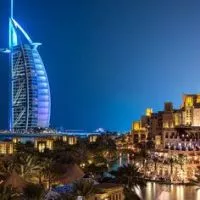
Fact: It depends where you are
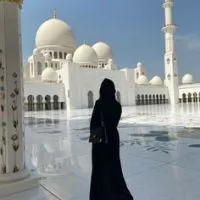
Fact: You’ll find plenty of bargains
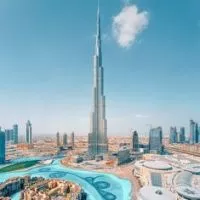
Fact: There are lots of cultural sites
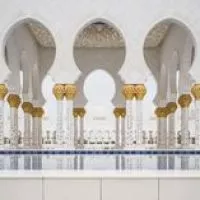
Fact: October to May is great

Fact: Dubai Holds a Strong Ground for Female Entrepreneurs
Dubai is a great place to encourage a healthy work-life balance, as the number of women-owned businesses increases every year. These support systems allow women to succeed in their businesses and thrive in leadership positions.

Fact: The United Arab Emirates (UAE) is considered one of the safest countries in the region.

Fact: While the UAE is predominantly a desert country and known for its modern, luxurious cities like Dubai and Abu Dhabi, it also offers a variety of other landscapes
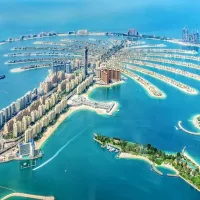
Fact: The UAE has a rich history and culture that goes beyond its modern cityscapes and shopping centers.
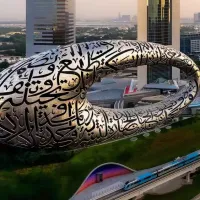
Fact: Emirati cuisine is a mix of Middle Eastern, Indian, and Persian influences, resulting in diverse and flavorful dishes.

Fact: The UAE is an Islamic country with traditional values, but it is also known for its tolerance and openness to foreigners.

Fact: While the UAE is known for its luxury hotels and high-end experiences, it is possible to travel on a budget.
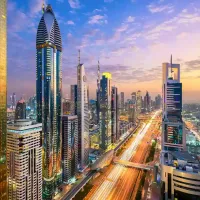
Fact: Dubai offers numerous attractions and activities that cater to families and travelers of all ages.

Fact: Although Dubai is part of an Islamic country, alcohol is legal and available in licensed bars, hotels, and restaurants.
Fact: While Dubai is a cosmopolitan city with a diverse population, it still retains its Emirati culture and heritage.
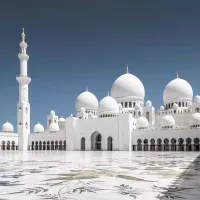
Fact: Although both cities are part of the United Arab Emirates, Abu Dhabi has its own distinct character and charm.

Fact: While Morocco does have the Sahara Desert, it is a diverse country with a variety of landscapes.