
Welcome to Al Ain: The UAE’s Living Oasis City
Al Ain is one of the most culturally important destinations in the United Arab Emirates. Known as the Garden City, it offers a calm and deeply authentic contrast to the fast-paced skyline energy of Dubai and Abu Dhabi. Here, travelers find palm groves, ancient irrigation systems, forts, museums, mountain scenery, hot springs, markets, family attractions, and a strong connection to Emirati heritage.
Located in the eastern region of Abu Dhabi Emirate near the Oman border, Al Ain has long been a vital oasis settlement. Its fertile landscape, strategic location, and cultural depth helped shape its identity as a place of agriculture, trade, family life, and heritage preservation.
A strong Al Ain itinerary should include Al Ain Oasis, Jebel Hafeet, Al Jahili Fort, Al Ain National Museum, Qasr Al Muwaiji, Green Mubazzarah, local souks, family attractions, and enough time to enjoy the city’s slower, greener, more traditional atmosphere.
Quick Travel Snapshot
Al Ain Travel Guide Overview

Al Ain is the second-largest city in the Emirate of Abu Dhabi and one of the UAE’s most important cultural and natural destinations. Unlike the country’s coastal metropolises, Al Ain is inland, greener, calmer, and strongly shaped by oasis agriculture and mountain landscapes.
The city is famous for its date palm plantations, traditional falaj irrigation channels, archaeological sites, forts, family parks, wildlife attractions, and Jebel Hafeet, one of the most impressive mountain viewpoints in the UAE.
For travelers, Al Ain is ideal as a day trip from Abu Dhabi or Dubai, but it becomes much richer with an overnight stay that allows time for heritage sites, sunset mountain views, local dining, and relaxed exploration.
Top Reasons to Visit Al Ain
The UAE’s Garden City
Al Ain offers a greener and more peaceful UAE experience with palm groves, parks, oases, gardens, and mountain views.
Deep Emirati Heritage
Forts, museums, oases, archaeological sites, and traditional markets reveal the roots of Emirati life and culture.
Mountain and Desert Landscapes
Jebel Hafeet, Green Mubazzarah, desert routes, and open landscapes make Al Ain excellent for scenic exploration.
Why Visit Al Ain?
Al Ain is one of the best destinations in the UAE for travelers who want to understand the country beyond luxury hotels and skyscrapers. It is a destination of heritage, family life, natural beauty, and quiet cultural depth.
UNESCO Heritage
Explore oases, archaeological sites, and cultural landscapes that show Al Ain’s long history of settlement and agriculture.
Family-Friendly Attractions
Enjoy parks, wildlife experiences, museums, gardens, amusement attractions, mountain drives, and easy sightseeing.
Authentic Local Atmosphere
Al Ain feels calmer, more traditional, and more connected to everyday Emirati life than many larger UAE cities.
The History and Heritage of Al Ain
Al Ain’s story reaches back thousands of years. Archaeological evidence in and around the city points to settlement and human activity dating to the Bronze Age. The area’s reliable water sources, fertile land, and strategic location made it a key oasis settlement in the region.
For centuries, Al Ain served as a place of agriculture, trade, protection, and community life. Its forts and watchtowers were built to defend water sources and settlements, while the falaj irrigation system supported date palm cultivation and oasis farming.
Al Ain is also closely connected to the late Sheikh Zayed bin Sultan Al Nahyan, the founding father of the UAE, whose vision helped preserve the city’s cultural and natural identity while supporting its modern development.
Top Attractions in Al Ain
Al Ain’s attractions are spread across oases, forts, museums, mountains, gardens, wildlife parks, markets, and family-friendly leisure areas. The best route combines heritage, nature, culture, and relaxed local experiences.
Al Ain Oasis
A UNESCO-listed oasis with shaded paths, thousands of date palms, traditional falaj irrigation, and a calm heritage atmosphere.
Jebel Hafeet
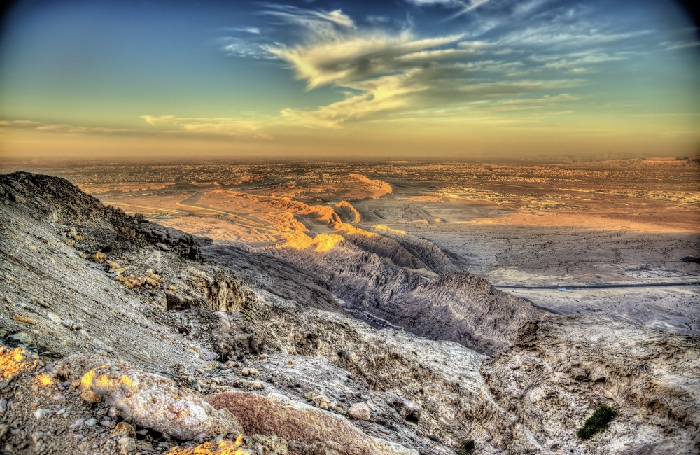
A dramatic mountain rising above the city, famous for scenic drives, panoramic views, sunset photography, and desert landscapes.
Al Jahili Fort
One of the UAE’s most beautiful forts, known for its architecture, exhibitions, courtyards, and cultural significance.
Qasr Al Muwaiji
A restored historic fort and museum connected to the ruling family and the early life of Sheikh Khalifa bin Zayed Al Nahyan.
Al Ain National Museum
A key museum for understanding the archaeology, ethnography, traditions, and cultural history of Al Ain and the UAE.
Green Mubazzarah
A popular leisure area at the base of Jebel Hafeet, known for green landscapes, hot springs, picnic areas, and mountain scenery.
Al Ain Zoo
One of the UAE’s best family attractions, with wildlife experiences, conservation programs, and educational activities.
Hili Archaeological Park
An important archaeological and public park area with ancient tombs, heritage features, gardens, and family-friendly open spaces.
Camel Market
A traditional market experience that offers a rare glimpse into desert culture, livestock trading, and local daily life.
Want to Visit Al Ain Without Missing the Best Stops?
Ask Aladdin can help you plan the best sightseeing order, private transfer, mountain timing, heritage route, family activities, local food stops, and UAE travel extensions.
Ask a Travel ExpertCulture and Heritage Experiences in Al Ain
Al Ain is one of the best places in the UAE to experience Emirati heritage in a meaningful way. Its cultural sites are not isolated monuments; they are part of a wider landscape of oases, old settlements, family history, agriculture, and desert life.
The city’s forts, museums, markets, archaeological sites, and preserved irrigation systems help visitors understand how people lived, farmed, traded, and protected their communities in the desert environment.
Al Ain Oasis
Walk through shaded palm groves and discover how the falaj irrigation system supported life in the oasis.
Al Jahili Fort
Explore one of the UAE’s finest historic forts and learn about Al Ain’s role in regional history.
Camel Market
Experience a traditional trading environment connected to desert culture, livestock, and local heritage.
Nature, Mountains, and Outdoor Adventures
Al Ain is a strong destination for travelers who want outdoor experiences without leaving the comfort and safety of a well-organized city. Its mountain, oasis, desert, park, and hot spring landscapes make it ideal for soft adventure and scenic exploration.
Jebel Hafeet is the main outdoor icon, offering one of the UAE’s most beautiful drives and panoramic viewpoints. Green Mubazzarah adds a relaxed nature experience at the base of the mountain, while the city’s parks and oases provide shaded walking areas and family-friendly settings.
Jebel Hafeet Drive
A winding mountain road leading to dramatic views over Al Ain, the desert, and the surrounding landscape.
Green Mubazzarah
A green leisure area with hot springs, picnic spaces, mountain views, and family-friendly relaxation.
Oasis Walks
Enjoy calm shaded paths through palm groves and discover Al Ain’s agricultural heritage.
Family-Friendly Attractions in Al Ain
Al Ain is one of the UAE’s best family destinations because it combines education, nature, heritage, wildlife, parks, and easy road access. Families can enjoy a balanced itinerary without the intensity of larger urban centers.
Al Ain Zoo
A major wildlife attraction with animal encounters, educational activities, conservation themes, and family facilities.
Hili Fun City
A classic family amusement park experience with rides, entertainment, and activities for children and families.
Parks and Gardens
Al Ain offers green spaces, playgrounds, picnic spots, and relaxed outdoor areas that work well for families.
Food and Dining in Al Ain
Al Ain’s food scene reflects Emirati hospitality, regional Gulf flavors, Middle Eastern comfort food, South Asian influences, hotel dining, family restaurants, cafés, and local markets. The city is a good place to enjoy traditional dishes in a calmer setting.
Emirati Cuisine
Try harees, machboos, grilled meats, rice dishes, dates, Arabic coffee, and traditional sweets.
Local Restaurants
Al Ain has many casual restaurants offering Arabic grills, Indian cuisine, cafés, bakeries, and family dining.
Desert Dining
Some tours and resorts offer desert-style meals, cultural dining, and outdoor experiences under the stars.
Shopping in Al Ain
Shopping in Al Ain blends traditional markets, modern malls, local goods, artisan products, family retail, and everyday Emirati shopping culture. It is less overwhelming than Dubai and more relaxed for visitors who enjoy local discovery.
Al Ain Souk
A traditional shopping experience with textiles, spices, perfumes, handicrafts, souvenirs, and local atmosphere.
Bawadi Mall
A major modern mall with international brands, dining, entertainment, family facilities, and indoor comfort.
Al Jimi Mall
A popular mall for shopping, casual dining, cafés, family activities, and convenient city retail.
How to Get to Al Ain
Al Ain is easy to reach from both Abu Dhabi and Dubai. The city is located around 160 kilometers from Abu Dhabi and around 130 kilometers from Dubai, making it suitable for a day trip or overnight stay.
Driving is the most flexible option, with travel time usually around 1.5 to 2 hours depending on traffic and departure point. Private transfers are ideal for travelers who want a guided route, while buses connect Al Ain with major UAE cities.
For the best experience, combine transport with a planned sightseeing route so you can include Al Ain Oasis, Jebel Hafeet, forts, museums, and dining without losing time between stops.
Suggested Al Ain Itinerary Ideas
One Day in Al Ain
Visit Al Ain Oasis, Al Jahili Fort, Al Ain National Museum, Qasr Al Muwaiji, Green Mubazzarah, and Jebel Hafeet for sunset.
Two Days in Al Ain
Add Al Ain Zoo, Hili Archaeological Park, Camel Market, local souks, a relaxed hotel stay, and more time around Jebel Hafeet.
Three Days or More
Include deeper heritage visits, family attractions, desert dining, spa time, local markets, and a slower Garden City experience.
Keep Exploring Nearby UAE Destinations
Best Time to Visit Al Ain
The best time to visit Al Ain is from October to April, when temperatures are more comfortable for walking through oases, visiting forts, exploring parks, driving up Jebel Hafeet, and enjoying outdoor dining.
Summer can be very hot, especially from May to September. During this period, museums, malls, indoor attractions, hotel pools, early morning visits, and evening activities are more comfortable.
Sunset is one of the best times to visit Jebel Hafeet because the light over the desert and city creates a beautiful travel moment.
Where to Stay in Al Ain
Al Ain offers hotels, resorts, family-friendly stays, budget options, and mountain-area accommodation. Your best choice depends on whether you want easy city access, heritage sightseeing, family facilities, or scenic relaxation.
Best for Heritage Access
Stay near central Al Ain for easy access to Al Ain Oasis, forts, museums, souks, restaurants, and city services.
Best for Mountain Views
Choose accommodation near Jebel Hafeet or Green Mubazzarah for scenery, relaxation, and nature-focused stays.
Best for Families
Look for hotels with pools, family rooms, parking, easy road access, and convenient routes to Al Ain Zoo and parks.
Getting Around Al Ain
Al Ain is best explored by private car, rental car, taxi, or arranged transfer because attractions are spread across the city, oasis areas, mountain roads, parks, and heritage sites.
A guided private tour is especially useful if you are visiting from Abu Dhabi or Dubai and want to cover the major sites in one efficient route without wasting time on transport planning.
For Jebel Hafeet, Green Mubazzarah, Camel Market, and heritage stops, flexible transport will make the experience much smoother.
Practical Tips for Visiting Al Ain
Dress Respectfully
Modest clothing is recommended in museums, markets, forts, cultural areas, and public spaces.
Plan Around Heat
Visit outdoor sites in the morning or late afternoon, especially during warm months.
Carry Water
Hydration is essential when walking through oases, visiting parks, or exploring mountain areas.
Use a Private Route
A planned route helps you combine oasis, forts, museums, Jebel Hafeet, and dining without unnecessary backtracking.
Respect Local Customs
Be mindful of photography, religious etiquette, local markets, family spaces, and Ramadan customs.
Stay for Sunset
Jebel Hafeet at sunset is one of the best moments of an Al Ain visit.
Sustainable and Responsible Travel in Al Ain
Al Ain’s identity is built around heritage, oases, agriculture, archaeology, nature, and community values. Responsible tourism helps protect the cultural and environmental assets that make the city special.
Visitors should respect oasis paths, avoid littering, protect plants and heritage sites, follow museum and fort rules, support local restaurants and markets, and choose responsible operators for desert or cultural experiences.
Responsible travel in Al Ain means enjoying the Garden City while preserving its landscapes, traditions, and stories for future generations.
Choose Your Best Al Ain Travel Style
For Families
Al Ain Zoo, Hili Fun City, parks, Green Mubazzarah, easy driving routes, and relaxed hotel stays.
For Culture Lovers
Al Ain Oasis, Al Jahili Fort, Qasr Al Muwaiji, Al Ain National Museum, Hili Archaeological Park, and Camel Market.
For Nature Seekers
Jebel Hafeet, Green Mubazzarah, palm groves, desert views, gardens, and mountain scenery.
For UAE Road Trips
A perfect stop between Abu Dhabi, Dubai, Oman-border landscapes, mountain drives, and heritage routes.
Frequently Asked Questions About Al Ain
Is Al Ain worth visiting?
Yes. Al Ain is worth visiting for its oases, forts, museums, Jebel Hafeet, family attractions, heritage sites, local markets, and calmer UAE atmosphere.
How many days do I need in Al Ain?
One day is enough for the main highlights, but two days are better if you want to include Al Ain Zoo, Jebel Hafeet, museums, souks, and a relaxed pace.
What is Al Ain famous for?
Al Ain is famous for Al Ain Oasis, Jebel Hafeet, Al Jahili Fort, Green Mubazzarah, Al Ain Zoo, UNESCO heritage, and its Garden City identity.
Can I visit Al Ain from Abu Dhabi or Dubai?
Yes. Al Ain is around 1.5 to 2 hours by car from Abu Dhabi or Dubai, making it suitable for a day trip or overnight extension.
What is the best time to visit Al Ain?
The best time to visit is from October to April, when the weather is more comfortable for outdoor sightseeing, oasis walks, mountain views, and family activities.
Al Ain in One Sentence
Al Ain is the UAE’s Garden City, where palm-filled oases, UNESCO heritage, ancient forts, mountain views, family attractions, local markets, and authentic Emirati culture create one of the country’s most rewarding cultural escapes.
Plan Your Al Ain Journey With Ask Aladdin
Ready to Discover Al Ain the Right Way?
Let Ask Aladdin help you design a smooth Al Ain experience, from Al Ain Oasis and Al Jahili Fort to Jebel Hafeet, Green Mubazzarah, Al Ain Zoo, Qasr Al Muwaiji, local souks, heritage sites, and wider UAE travel routes.
Our UAE travel specialists can help you choose the best sightseeing order, hotel area, private transfers, museum timing, mountain sunset plan, family activities, cultural stops, and travel pace based on your dates, budget, and preferred style.


